

Insurance claims involving seasonal accidents can quickly become complicated. Multiple parties may share liability, and insurers often dispute the seriousness of injuries or responsibility for the incident.
Summer brings longer days, vacations, outdoor recreation, and increased travel. It also brings a noticeable rise in accidents and legal claims tied to seasonal risks. From pool accidents and boating collisions to heat-related incidents and roadway crashes, many summer activities lead to more injury claims each year.
Warmer weather naturally encourages people to spend more time outdoors. Parks, lakes, festivals, construction sites, and highways all become busier during the summer months. Unfortunately, increased activity often creates more opportunities for negligence, unsafe conditions, and preventable injuries.
If you were hurt because another person or business failed to act responsibly, speaking with an experienced personal injury lawyer can help you understand your legal options.
Key Takeaways
- Summer injuries increase due to travel, outdoor recreation, sports, and seasonal work activity.
- Common hazards in summer include swimming pool accidents, boating crashes, heat illness, and roadway collisions.
- Property owners, businesses, drivers, and event organizers may be legally responsible for unsafe conditions.
- Medical records, photos, witness statements, and prompt reporting can strengthen an injury case.
- Understanding how summer activities lead to more injury claims can help you reduce risk and protect your rights after an accident.
Why Do Summer Activities Lead to More Injury Claims?
The combination of increased travel, outdoor gatherings, physical activity, and crowded public spaces contributes to a spike in accidents during the summer months.
Several factors commonly increase risks during the season:
- More drivers on the road during vacations and holidays
- Increased alcohol consumption at parties and events
- Higher participation in recreational sports and water activities
- Extreme heat and dehydration
- Seasonal construction and roadwork
- Inexperienced boaters, cyclists, and recreational vehicle operators
- Large public events with crowded conditions
Many common summertime injuries are linked to preventable accidents involving water safety, traffic collisions, falls, and outdoor recreation. These incidents can lead to costly medical treatment, lost income, and long recovery periods. In severe cases, victims may experience permanent physical limitations that affect daily life and employment.
What Are the Most Common Summer Injuries?
Some injuries appear more frequently during the warmer months because of the activities people participate in and the environments they encounter.
Motor Vehicle Accidents Increase During Summer
Summer consistently ranks among the most dangerous driving seasons. Holiday weekends, road trips, teen drivers out of school, and congested highways all contribute to increased crash rates.
Common causes include:
- Distracted driving
- Speeding
- Driving under the influence
- Fatigued driving during long trips
- Heavy traffic congestion
- Motorcycle and bicycle visibility issues
Road construction also creates additional hazards in summer. Narrow lanes, detours, and uneven pavement can increase the likelihood of collisions.
Swimming Pool and Water-Related Accidents
Pools, lakes, and beaches create significant seasonal risks. Drowning accidents, slip and falls, diving injuries, and boating collisions become more common during warmer weather.
Property owners and operators may be liable when they fail to:
- Maintain safe pool conditions
- Provide adequate warnings
- Install required barriers or fencing
- Supervise activities properly
- Enforce safety rules
Children face particularly high risks around water. Even experienced swimmers can suffer injuries caused by unsafe conditions or negligent supervision.
Heat-Related Injuries and Illnesses
Extreme temperatures can create dangerous conditions for workers, athletes, and outdoor event attendees.
Heat-related injuries may include:
- Heat exhaustion
- Heat stroke
- Severe dehydration
- Burns from hot surfaces
- Fainting and falls caused by overheating
Outdoor workers in construction, landscaping, and delivery services often face elevated risks. Employers may have legal obligations to provide water, rest breaks, and safe working conditions during periods of extreme heat.
Recreational Sports Injuries
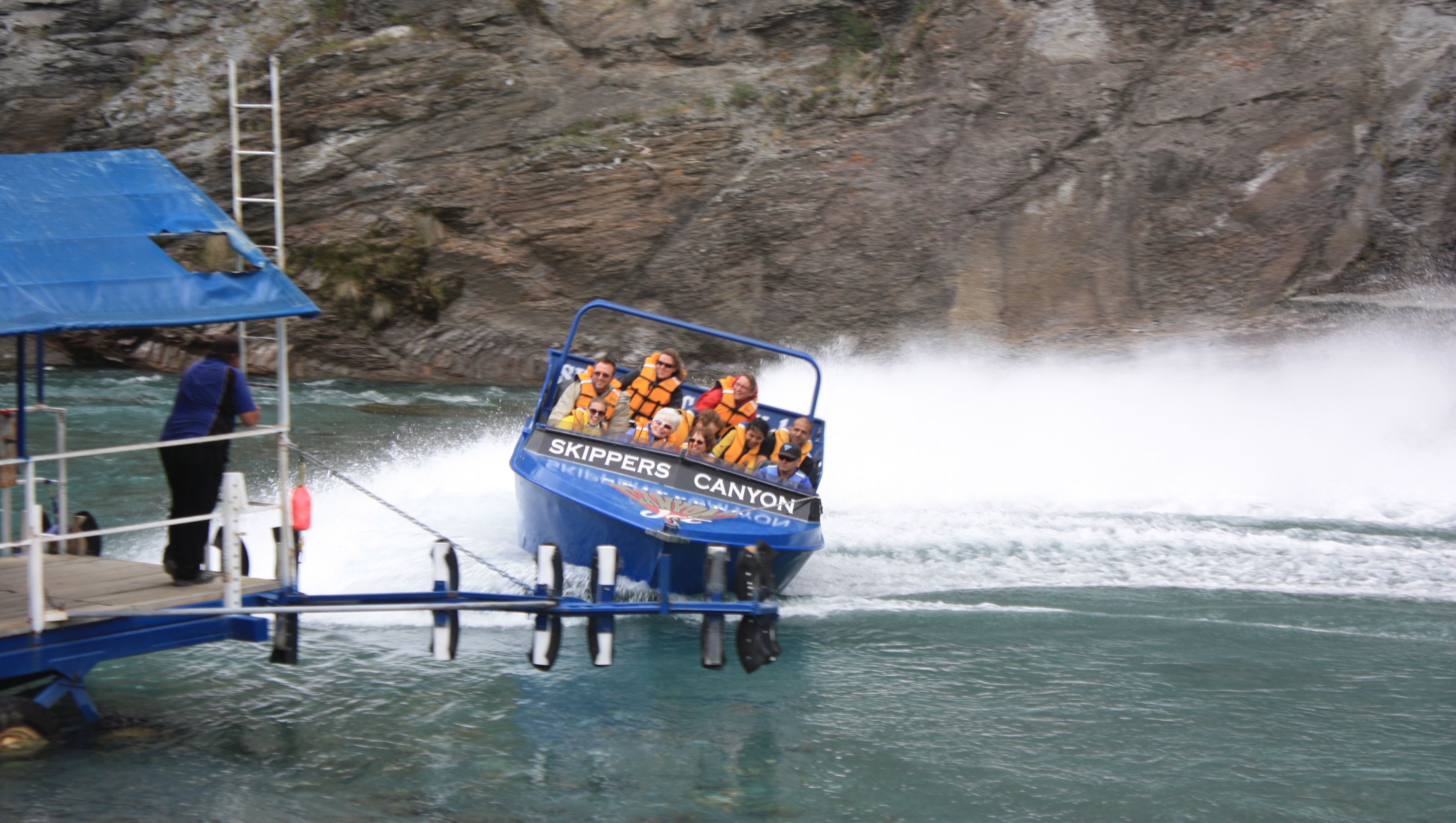
Summer sports and recreational activities frequently result in accidents involving negligence or unsafe conditions.
Examples include:
- Bicycle crashes
- ATV accidents
- Roller skating injuries
- Trampoline accidents
- Organized sports injuries
- Amusement park incidents
While some injuries are unavoidable risks of physical activity, others may involve dangerous property conditions, defective equipment, or negligent supervision.
How Can You Reduce Hazards in Summer?
Understanding common hazards in summer can help reduce the likelihood of serious accidents.
Important safety practices include:
- Staying hydrated during outdoor activities
- Supervising children near water
- Wearing life jackets while boating
- Avoiding distracted driving
- Following heat safety recommendations
- Inspecting recreational equipment before use
- Using proper protective gear for sports
Businesses and property owners should also conduct regular safety inspections and address hazards quickly to reduce legal exposure and protect visitors.
When Can You Sue for a Summer Injury?
Not every accident automatically leads to legal action. However, if another party acted negligently and caused your injuries, you may be able to sue for personal injury.
Compensation may include:
- Medical expenses
- Lost wages
- Pain and suffering
- Rehabilitation costs
- Future medical care
- Loss of earning capacity
The timeline for filing a claim depends on state law and the type of accident involved. Waiting too long can result in losing the right to pursue compensation entirely. An attorney can evaluate deadlines, liability issues, and the strength of your case.
Can Property Owners Be Liable for Summer Injuries?
Property owners have a legal duty to maintain reasonably safe premises for visitors and guests. If a hazardous condition exists and the owner knew or should have known about it, they may be responsible for resulting injuries.
Common examples include:
- Wet walkways near pools
- Broken stairs or railings
- Inadequate lighting at outdoor venues
- Unsafe amusement equipment
- Poor crowd control at events
- Failure to remove dangerous obstacles
These situations may qualify as personal injury cases when negligence directly contributes to an accident. Liability can extend to businesses, landlords, municipalities, event organizers, and homeowners depending on the circumstances of the injury.
Why Legal Guidance Matters After Serious Summer Injuries
Insurance claims involving seasonal accidents can quickly become complicated. Multiple parties may share liability, and insurers often dispute the seriousness of injuries or responsibility for the incident.
An experienced attorney can help investigate the accident, preserve evidence, negotiate with insurers, and determine whether you have a valid injury claim.
Summer should be a time for recreation and travel, not preventable injuries caused by negligence. If you or a loved one suffered injuries in a seasonal accident, contact Ankin Law at 312-600-0000 to discuss your legal options.
Join the conversation!