
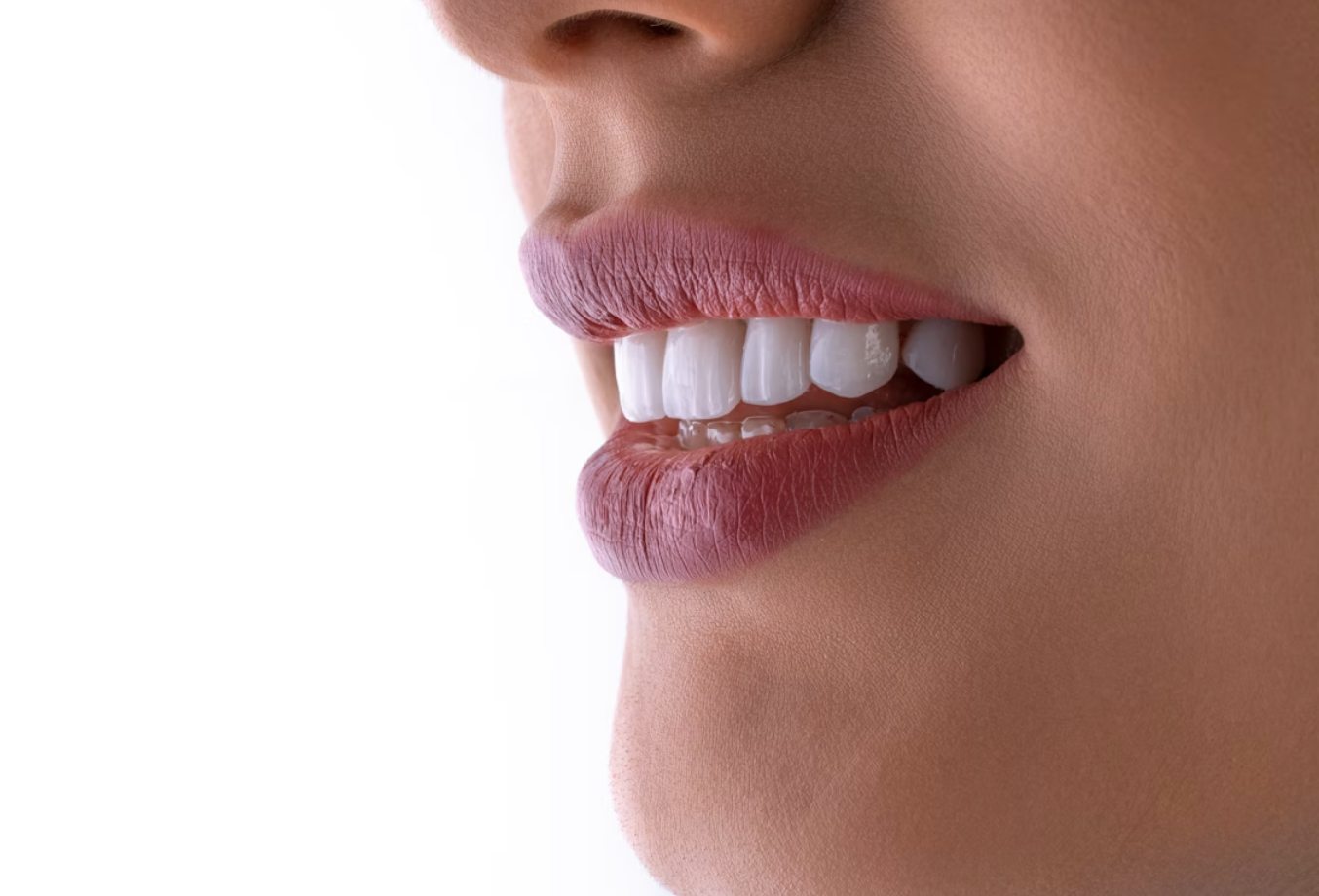
Being proactive about oral health means listening to your body and understanding the difference between harmless issues and symptoms that signal bigger problems.
Neglecting oral health can lead to more than just cavities or bad breath—it can signal deeper health issues affecting your entire body. While many people visit the dentist only when they’re in pain, understanding early warning signs is crucial for prevention and overall well-being. Recognizing and responding to these symptoms promptly can save you from complex dental procedures and long-term health complications.
Persistent Bad Breath or Unpleasant Taste
Chronic bad breath isn’t just embarrassing—it can point to deeper dental concerns. When brushing, flossing, and mouthwash don’t resolve the issue, it’s time to look beyond superficial fixes. Common culprits include gum disease, bacterial infections, decayed teeth, and poorly fitting dental appliances.
In many cases, odor-causing bacteria collect beneath the gums or around old fillings, creating an environment ripe for infection. A lingering metallic or sour taste may also accompany halitosis. In Tulsa County, where dry air and allergies are common, these problems can be compounded by dry mouth, which limits saliva production and natural cleansing.
If you’re in northeastern Oklahoma and notice ongoing bad breath despite good oral hygiene, it’s time to seek professional advice from an experienced Broken Arrow implant dentistry specialist. They can identify hidden infections and recommend treatment that protects both your smile and your overall health.
Bleeding Gums During Brushing or Flossing
Bleeding gums are more than just a sign of brushing too vigorously—they’re a red flag for inflammation. Gingivitis, the early stage of gum disease, begins with redness, tenderness, and bleeding but can progress quickly if not treated. At its worst, it can lead to periodontitis, resulting in bone loss and tooth mobility.
Gum disease doesn’t always cause pain right away, which is why many people ignore early signs. However, inflammation affects the bloodstream and has been linked to heart disease, diabetes, and pregnancy complications. A study by the CDC found that 70% of adults over 65 suffer from some form of periodontal disease.
If you notice bleeding when flossing or brushing—even occasionally—it’s time to schedule a dental exam. Catching gum disease early can reverse its effects with a professional cleaning, better at-home habits, and medicated rinses that reduce bacterial buildup.
Increased Tooth Sensitivity
Tooth sensitivity often begins as a mild annoyance but can escalate into sharp pain if the underlying cause isn’t treated. Sensitivity typically occurs when enamel—the protective layer on teeth—wears away, exposing the dentin underneath. Hot drinks, ice cream, and sugary foods can trigger discomfort that lingers.
Acidic diets, aggressive brushing, teeth grinding, and gum recession all contribute to enamel loss. While over-the-counter products may temporarily relieve the symptoms, they don’t solve the underlying problem. Long-term sensitivity could mean cavities, fractured teeth, or gum infection, each requiring different interventions.
Seeing a dentist can help determine if the sensitivity is due to structural damage, exposed roots, or worn enamel. Treatments may include fluoride varnish, bonding agents, or night guards to prevent grinding. Ignoring this warning sign could lead to nerve exposure and more invasive procedures in the future.
Jaw Pain or Clicking Sounds
A clicking jaw may seem like a minor annoyance, but when paired with pain or limited movement, it could indicate a temporomandibular joint disorder (TMJ). This condition affects the hinge joint connecting your jaw to your skull, and symptoms can include headaches, earaches, and neck tension.
TMJ disorders are often linked to bruxism (teeth grinding), jaw misalignment, or arthritis. People living in high-stress environments are especially prone to clenching, which places strain on the joint. Without intervention, TMJ can lead to chronic discomfort, difficulty eating, or even dislocation.
If you’re waking up with jaw soreness or experiencing a persistent popping sound, don’t delay an evaluation. Custom night guards, bite adjustments, or physical therapy may help alleviate strain. More severe cases could benefit from dental reconstruction to restore proper alignment and relieve pressure on the joint.
Loose or Shifting Teeth
Once adult teeth are in place, they should remain stable for life. If you begin to notice that your bite feels different or a tooth feels “wiggly,” there’s likely a deeper issue at play. Loose teeth are often a sign of advanced gum disease, which weakens the supporting bone and tissue.
Tooth movement can also be caused by trauma, bone loss, or long-term misalignment that puts uneven pressure on specific teeth. These changes often develop slowly, so early signs like a gap forming or teeth crowding should not be ignored.
Dental imaging, such as X-rays, can reveal the extent of the damage. Treatments may include deep cleanings, bone grafting, or restorative solutions like splinting or dental implants.
Mouth Sores That Don’t Heal
Most mouth sores heal within ten to fourteen days. Common types include canker sores, cold sores, and irritation from braces or dentures. But when a sore persists beyond two weeks, it may signal something more serious, especially if it’s painful, growing, or accompanied by discoloration.
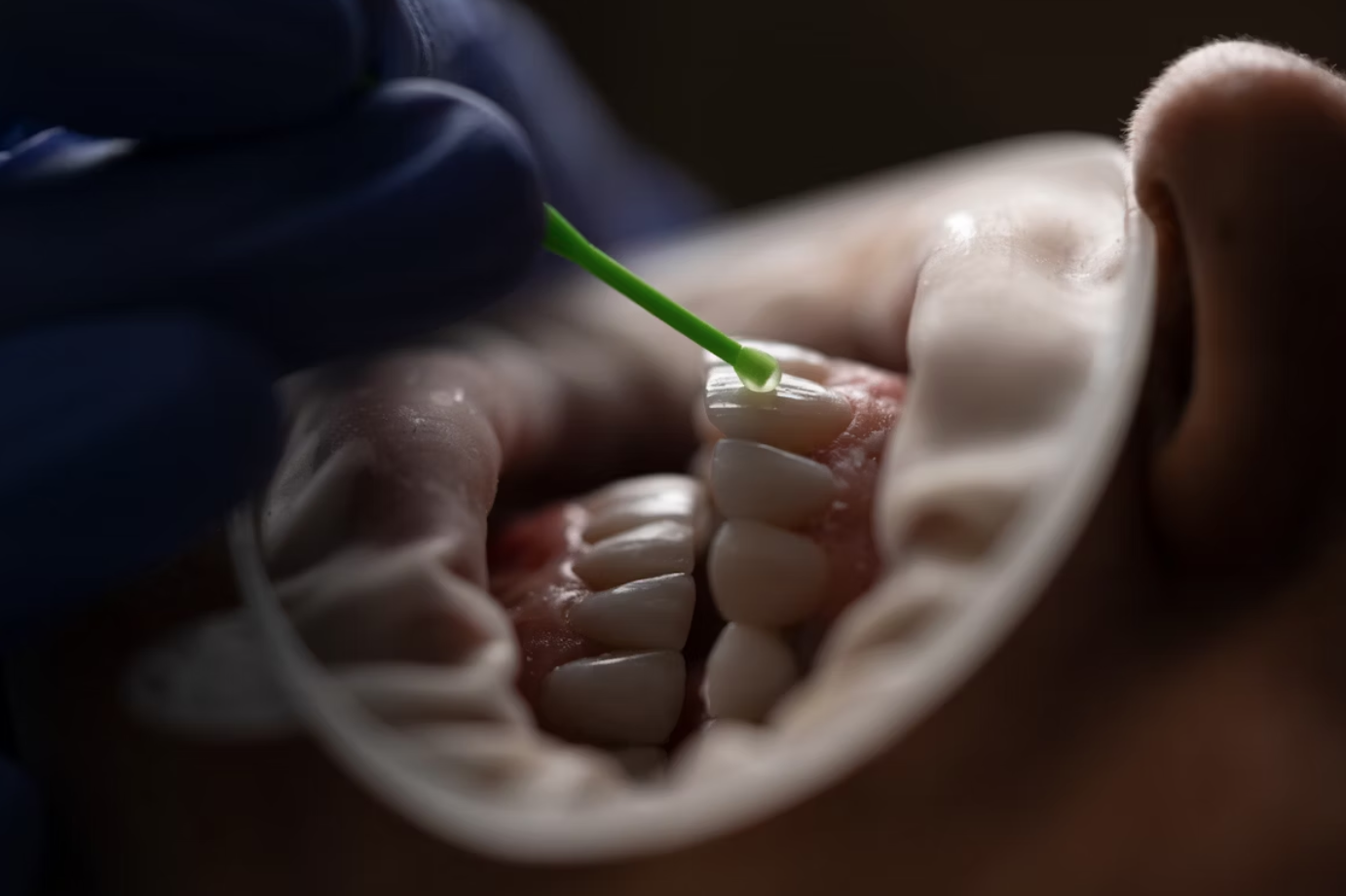
Persistent sores can indicate fungal infections, autoimmune disorders, or even early-stage oral cancer. The Oral Cancer Foundation estimates that one person in the U.S. dies every hour from oral cancer, often because it’s caught too late. Risk factors include tobacco use, alcohol, HPV infection, and sun exposure.
Early detection dramatically improves the survival rate. Dentists are trained to recognize suspicious lesions and may refer patients for biopsy when necessary.
Being proactive about oral health means listening to your body and understanding the difference between harmless issues and symptoms that signal bigger problems. Whether it’s persistent bad breath, gum bleeding, jaw pain, or unhealed sores, each of these signs deserves your attention. The earlier you take action, the easier and more effective the treatment will be. Regular checkups, tailored care plans, and a commitment to oral hygiene ensure that your teeth—and your health—stay strong for years to come.
Join the conversation!