
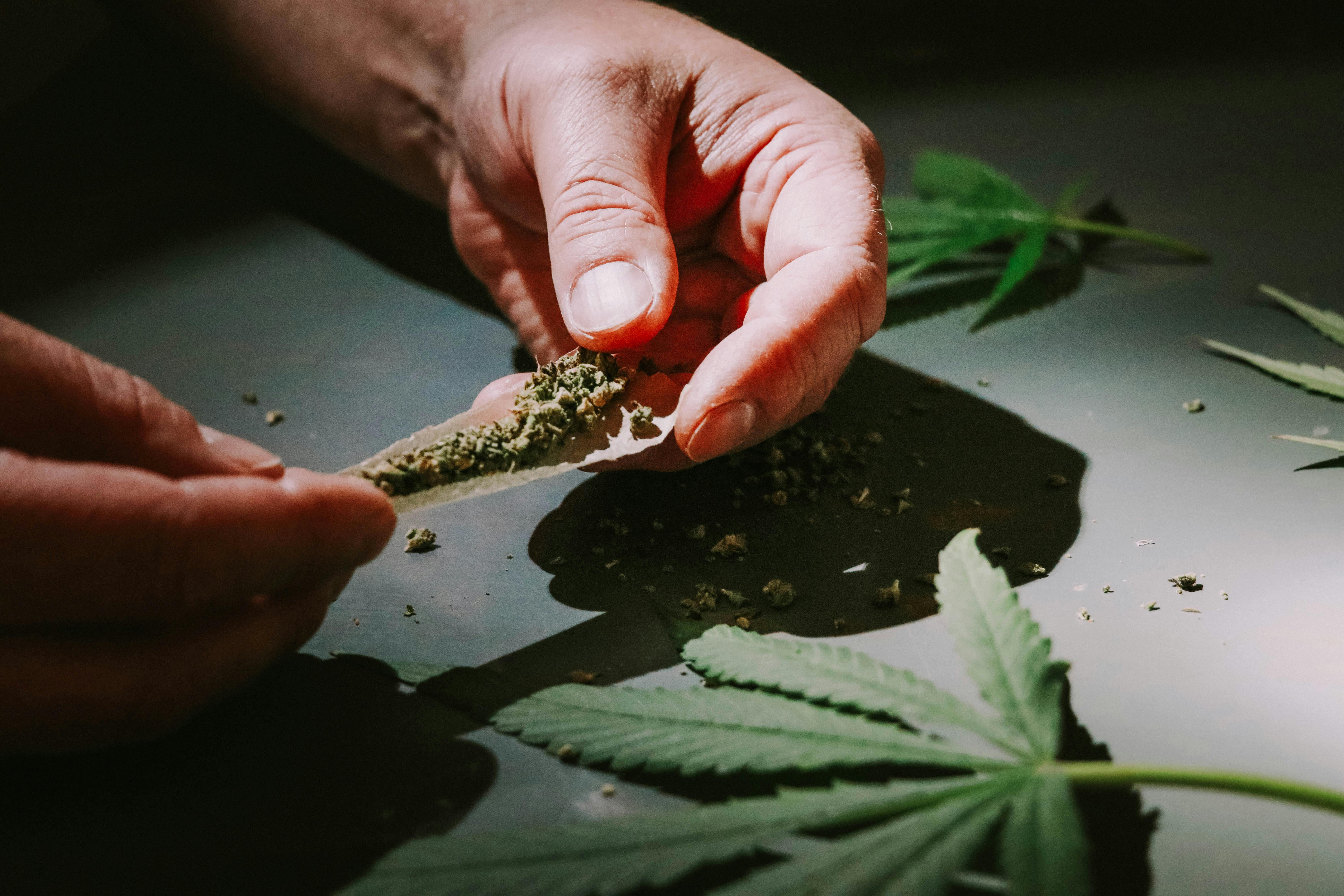
Studies show marijuana may affect memory, mood, and brain function.
Marijuana products, including gummies, oils, vapes, and traditional cannabis flower, are easier to find in stores than ever before. As use grows among people of all ages, researchers continue working to understand how marijuana affects the brain, especially aging minds, long after the immediate feeling of being high has passed. One area that has received significant attention lately is the impact the plant has on memory. Studies have repeatedly found that marijuana can make it harder for a person to hold and process information in the short term while under its effects. Tasks that involve remembering simple information like a loved one’s phone number, following directions, or keeping track of a list of items may become more difficult. Researchers have also found signs that long-term users may experience ongoing problems with working memory even when they are not actively intoxicated.
Recent brain imaging studies have added to findings that cannabis impacts aging minds. Researchers examining hundreds of adults found that people with a long history of heavy marijuana use showed lower levels of brain activity during memory-related tasks when compared with those participants who had never used the substance. Scientists continue to study whether these changes affect daily life in meaningful ways and whether they become more noticeable in aging minds.
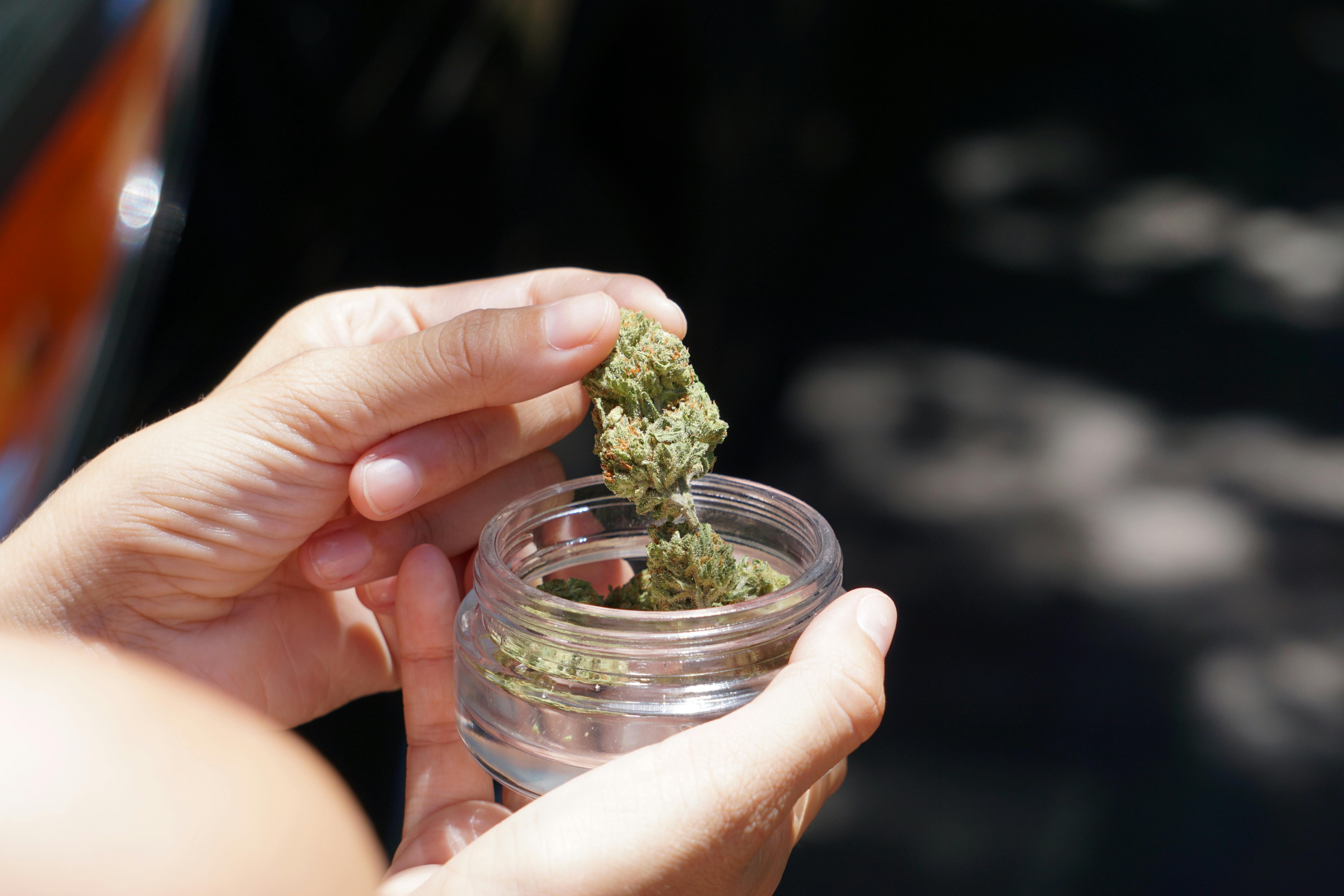
The age at which a person begins using marijuana appears to play an important role in how the use will ultimately impact the brain. Research suggests that individuals who start during their teenage years may face a greater chance of changes in brain development. During adolescence, the brain is still growing and forming connections that help with decision-making, self-control, and learning. Exposure to the substance during this period may interrupt some some of those natural processes.
Several studies have found differences in the brain’s white matter among people who began using marijuana at a young age. White matter helps different parts of the brain communicate with one another. Researchers have linked these changes to difficulties with attention, impulse control, and other thinking skills. Younger users may also be more likely to struggle with tasks that require planning and concentration.
At the same time, the picture is not entirely one-sided. Some research involving older adults has produced different results. Studies of people who began using marijuana later in life have found links between cannabis use and greater brain volume in certain areas. Scientists believe this could point to possible protective effects, though much more work is needed before firm conclusions can be reached.
Experts are still cautioning that relying on cannabis to manage emotional struggles, like many users prefer to do instead of taking prescription medications, may not address the deeper issues that need to heal more sustainably. While marijuana may provide temporary relief for some people, long-term use does not always lead to lasting improvement and may create additional challenges for certain users. Some studies have even found that early and heavy marijuana use is linked to a higher chance of psychosis and other serious psychiatric conditions in vulnerable individuals.
Despite growing public acceptance, many questions remain unanswered. Federal restrictions have made marijuana research more difficult, limiting opportunities for scientists to study real-world products and different methods of use. As marijuana becomes more common, researchers continue gathering information to better understand both its benefits and its risks.
Sources:
The surprising ways cannabis may affect The surprising ways cannabis may affect the aging brain the aging brain
Join the conversation!