
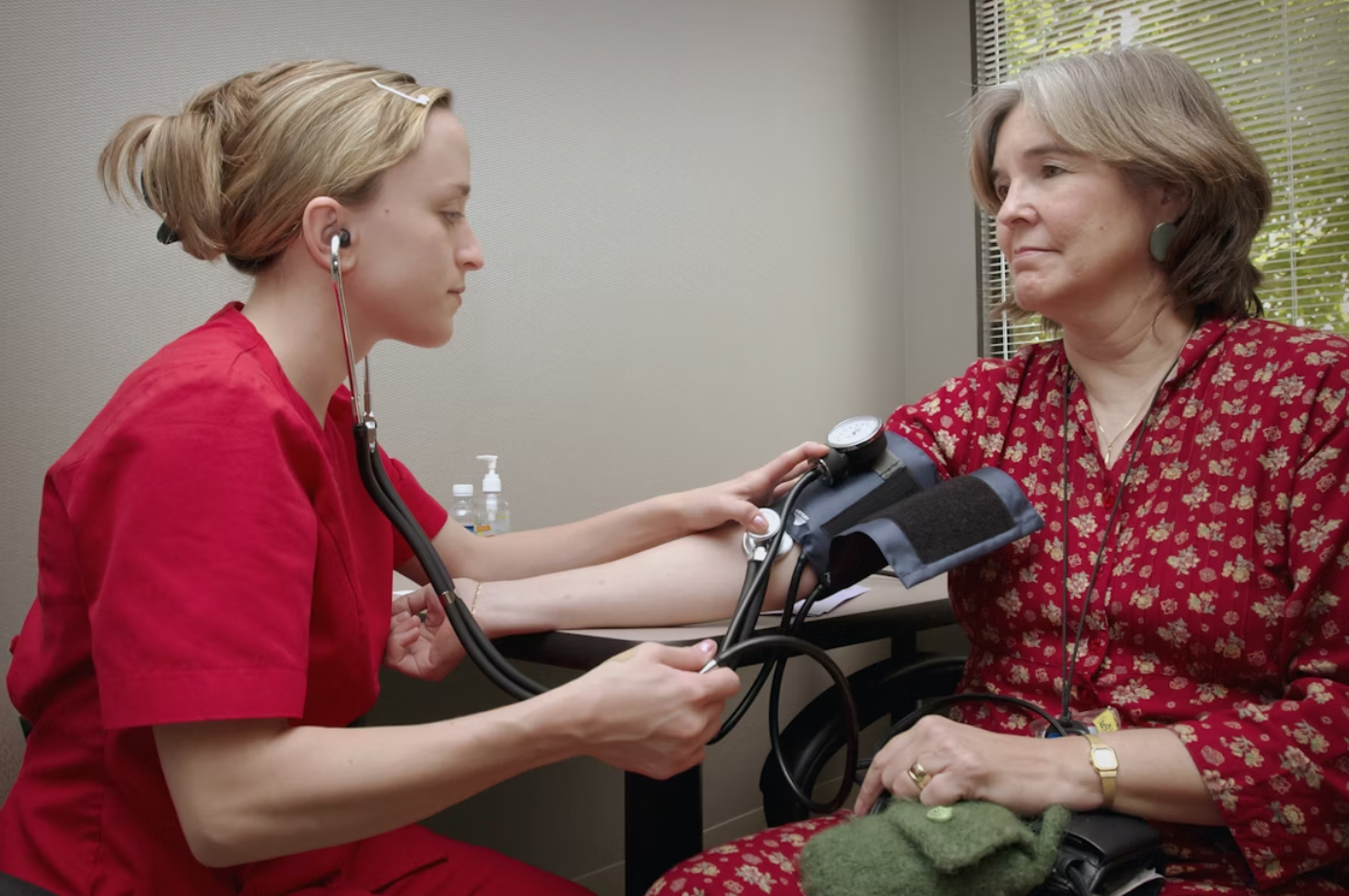
Professional home health aides go far beyond basic assistance. They are caregivers, companions, observers, educators, and emotional anchors.
Home health aides play a vital role in supporting individuals who wish to remain in their homes while receiving medical or personal care. Whether assisting seniors, individuals with disabilities, or recovering patients, professional aides offer a blend of technical skills, compassion, and daily reliability. Understanding what they do—and what makes them effective—can help families make informed care decisions that improve quality of life and reduce healthcare strain.
Daily Personal Care and Assistance
A core part of a home health aide’s responsibilities involves helping clients with routine hygiene, grooming, dressing, and movement. These tasks, while basic, are deeply personal and can greatly affect a client’s sense of dignity, independence, and emotional stability.
An aide may assist with bathing, brushing hair, or helping someone get into their wheelchair. These interactions demand both skill and sensitivity. Aides are trained in safe transfer techniques, proper body mechanics, and how to adapt to various mobility levels without causing discomfort or injury. These daily efforts often go unnoticed, but they play a critical role in minimizing fall risks, preventing infections, and preserving clients’ comfort.
Consistency in care also helps build trust, allowing clients to feel safe in their daily routines. When personal care is handled well, it enables individuals to remain in their homes longer and maintain greater autonomy.
Monitoring and Managing Health Conditions
Home health aides are not nurses, but they are frequently the first to observe subtle health changes that indicate something is wrong. These observations can prevent small issues from becoming serious emergencies, especially for clients managing chronic conditions.
Aides are trained to take vital signs, monitor symptoms, and recognize warning signs related to conditions such as diabetes, congestive heart failure, and cognitive decline. They report these observations to nurses, doctors, or family members, ensuring care teams respond quickly when issues arise.
For instance, if a client suddenly loses their appetite or exhibits swelling in their legs, the aide’s documentation and communication can trigger early intervention. Their presence often acts as a safeguard for individuals who might otherwise delay seeking medical help due to fear, memory loss, or lack of access.
Emotional Support and Companionship
Emotional health is often overlooked in clinical settings, but it’s a central focus of in-home care. Many clients live alone, far from family, or experience isolation due to limited mobility. A home health aide’s consistent presence provides much-needed companionship.
They engage clients in meaningful conversations, play card games, assist with hobbies, or even accompany them on brief outings. These interactions build rapport and trust over time, making the aide not just a caregiver but a valued companion.
This emotional connection has real health benefits. Studies show that social interaction among older adults can lower depression, reduce cognitive decline, and improve compliance with treatment regimens. Clients are more likely to follow routines and remain engaged when they feel seen, heard, and cared for by someone they trust.
Supporting Family Caregivers
Family caregivers face tremendous pressure. Between work obligations, emotional stress, and physical exhaustion, many struggle to balance caregiving with the rest of their lives. That’s where professional aides make a lasting difference.
They bring not only relief but also structure. Their involvement ensures care is consistent even when family members are unavailable. The presence of a dependable professional gives loved ones the freedom to rest or focus on other responsibilities without guilt or anxiety. That’s why choosing a home health aide with strong interpersonal skills and a calm, professional demeanor is essential. Families benefit from knowing their loved one is in capable hands—someone who can follow care plans, manage routines, and step in as a reliable partner.
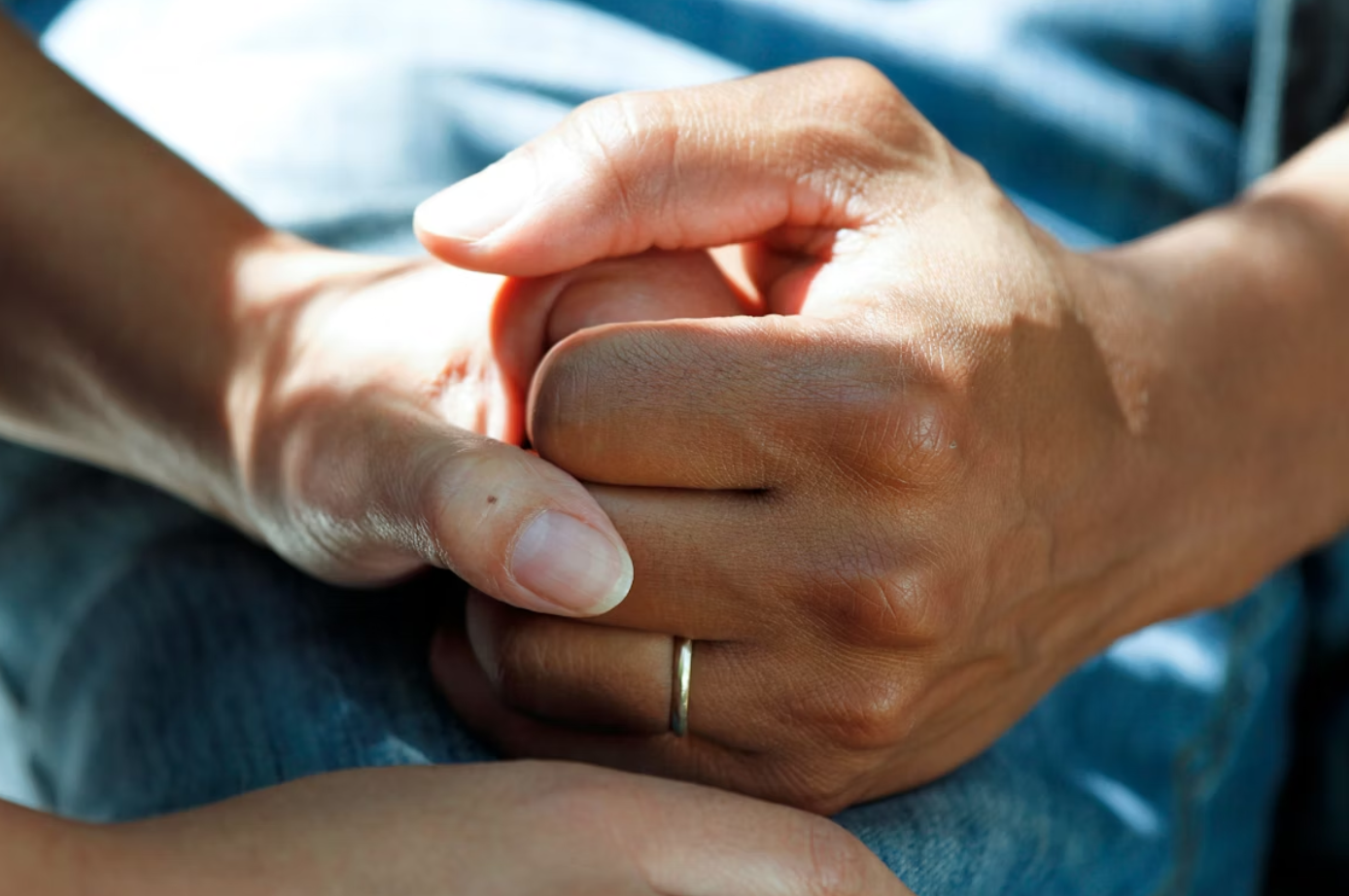
In addition to hands-on care, aides often share tips that empower families: how to safely lift a patient, manage medication schedules, or organize appointments. Their input can ease stress, reduce conflict, and support a more sustainable home care arrangement.
Specialized Skills and Certifications
Many professional aides pursue additional training and certifications to better support clients with specific medical needs. This can include CPR, dementia care, hospice support, and techniques for managing cognitive or behavioral symptoms.
Clients recovering from surgery or managing terminal illnesses often require aides who can handle complex needs like wound care assistance, mobility challenges, or catheter support. In these cases, aides work under the supervision of licensed nurses or within agency frameworks that provide oversight.
These certifications are not just formalities—they provide real-world readiness. An aide trained in Alzheimer’s care, for example, will know how to redirect conversations, reduce agitation, and maintain a calm environment, improving both safety and comfort for the client.
Communication and Professionalism
Great communication is one of the most underrated but essential traits of a home health aide. They are responsible for tracking everything from medication intake to mood changes and reporting those details to families and medical professionals.
This documentation can take the form of handwritten logs, mobile apps, or agency-provided templates. Clear, concise notes help care teams track progress and make informed decisions. Aides also communicate with therapists, nurses, and doctors, so being able to explain observations calmly and accurately is critical.
Professionalism includes more than just punctuality and clean uniforms. It involves respecting client privacy, being reliable, and staying calm in tense situations. Many clients prefer aides who can carry out tasks without being intrusive, who know when to offer help and when to step back. That intuition comes from training, experience, and emotional intelligence.
Professional home health aides go far beyond basic assistance. They are caregivers, companions, observers, educators, and emotional anchors. Their ability to deliver consistent, compassionate, and medically aware support transforms in-home care from a convenience into a lifeline. For families navigating complex health needs, understanding these skills and responsibilities ensures that every decision is guided by clarity, trust, and confidence.
Join the conversation!