
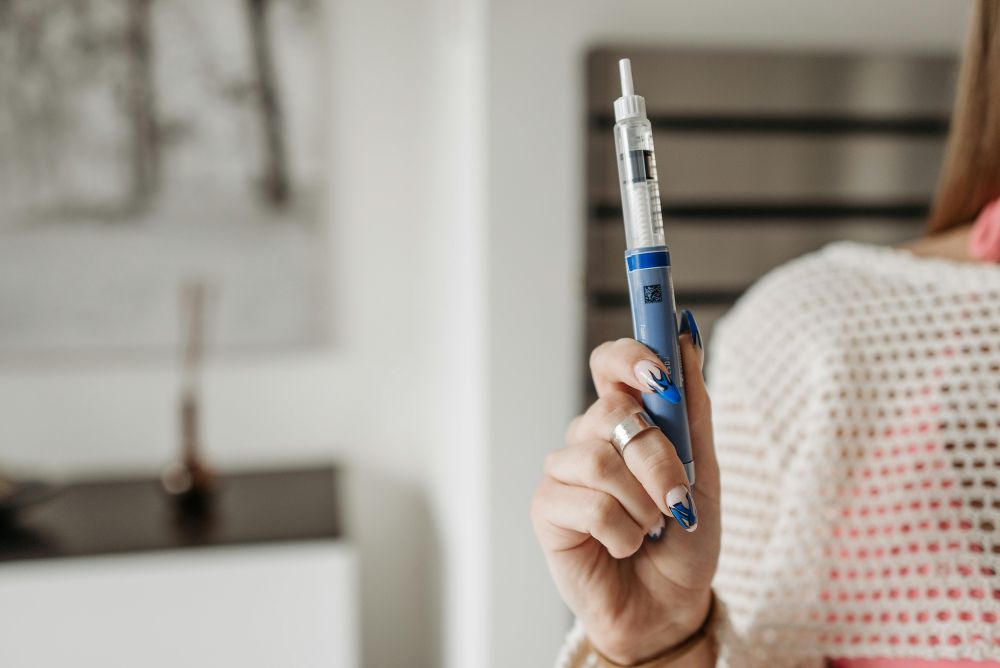
GLP-1 drugs can genuinely change people’s health. The patients who get the most out of them tend to be the ones who treat the prescription as the start of their care, and who ask hard questions about sourcing, supervision and nutrition before the first dose.
GLP-1 medications like Wegovy, Zepbound and their compounded cousins have moved from specialty prescriptions to something people pick up through their primary care doctor, a weight-loss clinic or a med spa. That speed has a side effect of its own. A lot of patients start treatment feeling more like customers buying a product than patients entitled to a full course of care, and they don’t realize how much the law and professional standards already require of the people prescribing and dispensing these drugs.
Whoever writes your prescription, you’ve got rights around what you’re told, what you’re given, how you’re treated, what you’re charged and what happens when something goes wrong. Here’s what those rights look like in practice.
Informed Consent Covers More Than the Side Effect List
Most patients hear about nausea, vomiting and constipation, and the better prescribers mention the boxed warning about thyroid tumors and the risk of pancreatitis. Those conversations matter, but they leave out a category of risk that professional groups now treat as central to GLP-1 care.
A joint advisory from four obesity medicine groups published in 2025 found that GLP-1s reduce body weight by 5% to 18% in clinical trials, but also identified serious challenges, including nutrient deficiencies from eating less and loss of muscle and bone. The authors noted that numerous practice guidelines already recommend nutrition and behavioral therapy for adults with obesity, yet that support isn’t widely paired with GLP-1 prescriptions. Their recommended priorities include baseline dietary screening, body composition and muscle strength assessment, and counseling from a registered dietitian.
For patients, that advisory is useful for a simple reason. It spells out what a complete GLP-1 treatment plan looks like, which gives you a concrete standard to hold your own care up against.
Why Nutrition Is Part of What You’re Owed
The nutrition risk comes straight from how these drugs work. GLP-1 medications mimic a hormone the gut releases after eating, which cuts appetite and slows digestion. Patients end up eating far less food, but their bodies still need the same fiber, potassium, healthy fats and protein they needed before. The challenge of nutrient-dense eating on GLP-1 medications comes down to making much smaller meals carry that full load. Most Americans already fall short on fiber before their appetite drops, so the gap can widen quickly. Foods that pack a lot into a small portion help close it. A 50-gram serving of avocado, about a third of the fruit, delivers 3 grams of fiber, 5 grams of monounsaturated fat and 250 milligrams of potassium, and mild foods like it are often easier to tolerate when nausea sets in.
That’s the kind of practical guidance the advisory says belongs in GLP-1 care, and it’s reasonable to ask for it. When you start treatment, ask your prescriber how they’ll monitor your nutrition and muscle mass, whether they’ll refer you to a dietitian, and what you should be eating when you can only manage a few small meals a day. If a clinic’s program consists of a prescription and a refill schedule and nothing else, you’re paying for part of a treatment plan, and it’s worth knowing that before you sign up.
Write down what you were and weren’t told. If you later develop complications, a record of the counseling you received can matter a great deal.
The Standard of Care Doesn’t Change With the Setting
Whether you’re seen in a hospital-affiliated clinic, a med spa or over a video call, the prescriber carries the same legal duties. That principle sits at the center of malpractice claims involving virtual care visits, where a patient generally has to show a provider-patient relationship existed, the provider breached the accepted standard of care, and that breach caused the harm.
For GLP-1s, a reasonable standard of care includes screening for conditions that make these drugs risky, such as a personal or family history of medullary thyroid cancer, a history of pancreatitis, or plans to become pregnant. It also includes follow-up. Dose increases should be supervised, and you should be able to reach a licensed clinician with questions once treatment starts. If you can’t get a straight answer about who your prescriber is or how to contact them, that’s a problem worth documenting.
You’re Entitled to Know What’s Being Dispensed
Compounded semaglutide and tirzepatide spread widely while the brand-name drugs were in shortage, and many clinics and med spas still offer them. The FDA declared those shortages resolved in late 2024 and early 2025, which sharply narrowed when pharmacies can legally make copies, and the agency has since sent repeated waves of warning letters over misleading marketing of compounded versions.
Compounded drugs aren’t FDA-approved, so nobody at the agency has reviewed them for safety, effectiveness or quality. The FDA’s concerns about compounded GLP-1 drugs include dosing errors, medication shipped without adequate refrigeration, salt forms of semaglutide the agency says it knows of no lawful basis to compound, and labels naming pharmacies that never made the product. As of May 31, 2026, the agency had logged 990 adverse event reports tied to compounded semaglutide and more than 730 tied to compounded tirzepatide, and it notes the real totals are probably higher because federal law doesn’t require many state-licensed pharmacies to report.

You have every right to ask whether your medication is brand-name or compounded, which pharmacy made it, and whether that pharmacy is licensed. Be wary of anyone who tells you a compounded product is “the same as” Ozempic or Wegovy, since the FDA treats that claim as a red flag. And don’t use an injectable that arrives warm or has a label that doesn’t check out.
Billing, Memberships and Stopping Treatment
Many cash-pay weight-loss programs bill as monthly memberships that renew automatically. A growing number of states have automatic renewal laws requiring clear disclosure of those terms and an easy way to cancel, so read the agreement before you sign and keep a copy.
Cancellation terms matter more than people expect with these drugs. Research on patients stopping GLP-1 treatments, presented at ENDO 2026 and based on insurance claims from adults with type 2 diabetes, found that about four in ten stopped within their first year, and nearly six in ten had stopped at least once by the two-year mark. If there’s a real chance you’ll pause, find out what happens to prepaid medication and fees before you commit.
If you’re charged after cancelling or billed for something you didn’t receive, the Fair Credit Billing Act lets you dispute the charge with your credit card issuer. You’ll generally need to send a written dispute within 60 days of the statement that first showed the charge.
Insurance Denials Can Be Appealed
Coverage for weight-loss GLP-1s is still patchy, and denials are common. Under the Affordable Care Act, most health plans must let you file an internal appeal and, if that fails, request an external review by an independent third party. Ask for the denial reason and the plan’s coverage criteria in writing, since many denials turn on documentation rather than the drug itself. HIPAA also gives you the right to copies of your medical records, and covered providers generally have to respond within 30 days, which helps when you’re building an appeal.
Where to Report a Problem
Adverse reactions and product quality problems go to the FDA’s MedWatch program. Pharmacy issues go to your state board of pharmacy, and concerns about a prescriber go to the medical board where they’re licensed. Deceptive advertising or billing can be reported to your state attorney general. If you were seriously harmed, talk with an attorney about whether you’ve got a claim, especially since compounded products can involve several parties, from the prescriber to the pharmacy to the ingredient supplier.
GLP-1 drugs can genuinely change people’s health. The patients who get the most out of them tend to be the ones who treat the prescription as the start of their care, and who ask hard questions about sourcing, supervision and nutrition before the first dose.
Join the conversation!