

Combining the disclosure statement with independent checks – such as finance, legal advice, and inspections – ensures property buyers are able to make a well-rounded, confident purchase decision.
On 1 August 2025, Queensland introduced significant changes to the way property is bought and sold, with new seller disclosure requirements now in place.
For prospective buyers, this is a welcome move towards greater transparency. But it’s important to understand exactly what these laws do (and don’t) cover.
At the centre of the changes is the requirement for sellers to provide a Seller Disclosure Statement (Form 2) before a contract is signed. This document is designed to give buyers key information upfront – helping them make more informed decisions earlier in the process.
What’s Included in the Disclosure Statement?
The Form 2 statement focuses largely on the legal and administrative aspects of a property. It typically includes:
- Ownership details and whether the property is part of a body corporate
- Any easements, encumbrances, or registered interests on the title
- Zoning, planning controls, or environmental overlays
- Notices from council or government authorities
- Pool safety compliance and heritage listings (if applicable)
- Current rates and water service charges
This information is valuable and can flag potential legal or regulatory issues before you commit.
Importantly, if a seller fails to provide the disclosure or provides inaccurate information, buyers may have the right to terminate the contract.
What’s Not Included – And Why It Matters
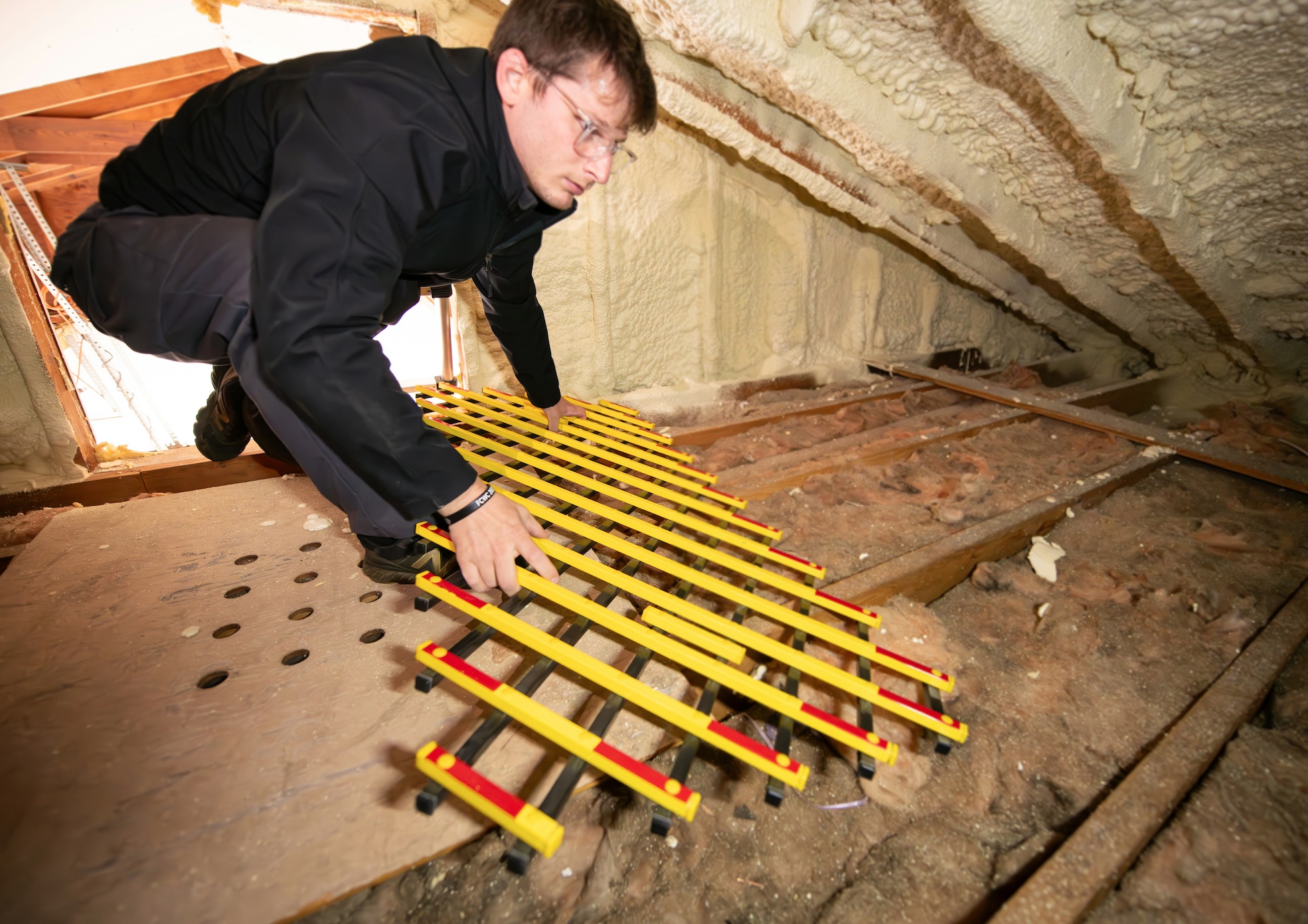
While the new laws improve transparency, they don’t actually extend to the physical condition of the property, nor several other elements. For example, the disclosure statement does not require sellers to report on:
- Structural soundness or building defects
- Pest activity or termite damage
- Asbestos or hazardous materials
- Moisture, rot, leaks, cracks or other hidden problems
- Unapproved or unsafe building works
- Current or historical use of the property
- Past building or development approvals for the property
Obviously this type of information is also critically important – particularly as you may not be able to terminate the contract if these matters are discovered after you sign.
Understanding Your Role as a Buyer
These reforms are sometimes referred to as strengthening the seller’s duty of disclosure, but they don’t remove the need for buyer due diligence. As a purchaser, you’re still responsible for investigating the property thoroughly before going unconditional.
A building and pest inspection by a professional and qualified building inspector remains a practical safeguard – helping to uncover hidden issues that could have huge financial implications later.
A More Transparent Process – But Not a Complete Picture
The new Queensland disclosure laws are a positive step, reducing the risk of unexpected legal surprises and giving buyers important information from the outset.
But – it’s best viewed as one piece of the puzzle. Combining the disclosure statement with independent checks – such as finance, legal advice, and inspections – ensures property buyers are able to make a well-rounded, confident purchase decision.
Join the conversation!