
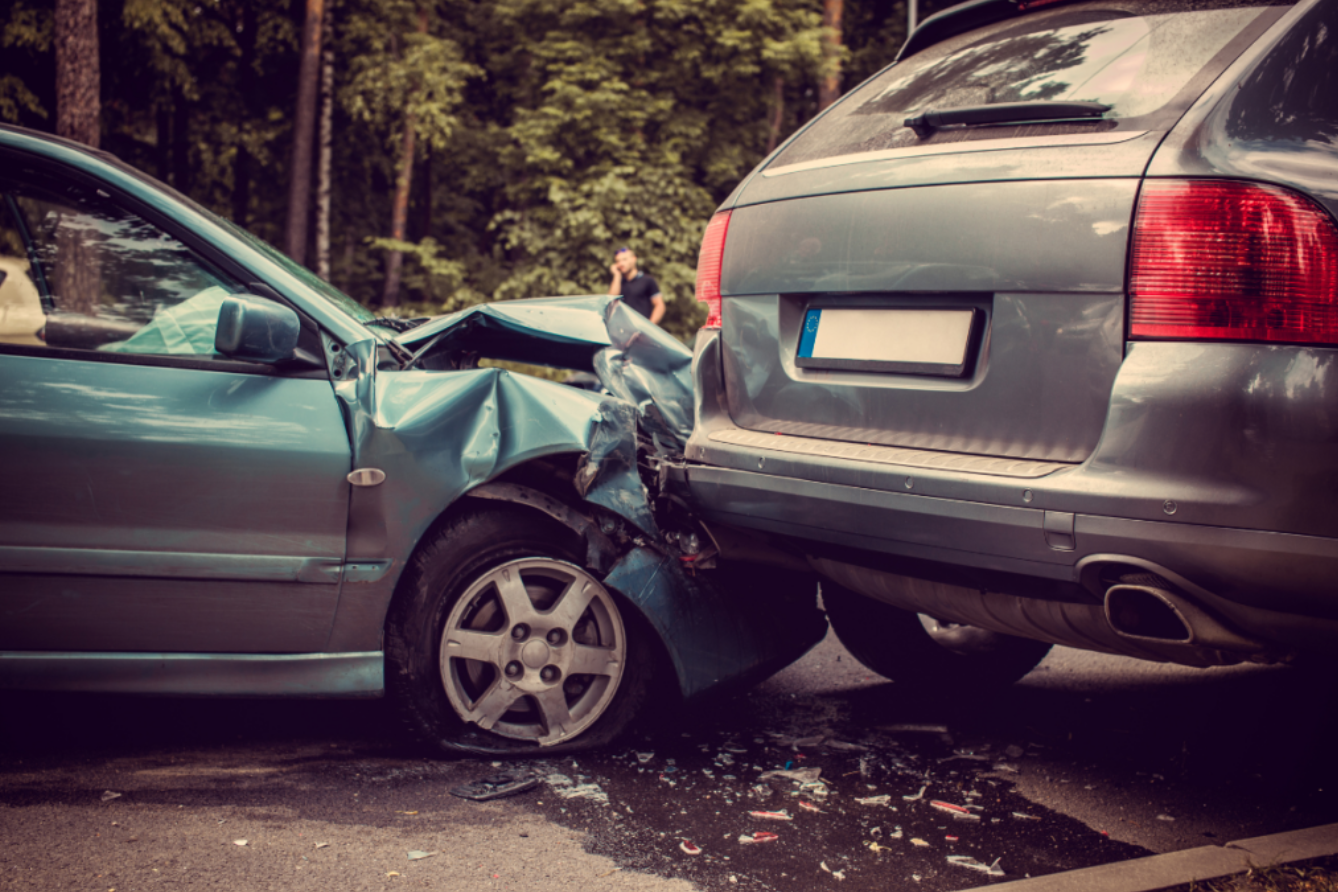
Reducing accidents ultimately depends on responsible driving, consistent enforcement of traffic laws, and increased awareness of how everyday decisions behind the wheel can lead to serious consequences.
Motor vehicle crashes continue to be one of the largest problems related to public health in America. They cause millions of injuries and immeasurable economic losses each year. Recognizing these common causes allows drivers to make safer choices and helps policymakers focus on effective prevention strategies.
While crashes can occur due to a number of factors, accident investigations and traffic safety data consistently reveal a small set of contributing causes that recur in repeated patterns. Understanding common causes of motor vehicle crashes helps drivers reduce risk and supports broader efforts to improve road safety.
1. Distracted Driving
Distracted driving is the leading cause of accidents throughout the country. This occurs when a driver isn’t focused on driving just for a brief moment while thinking they will maintain their lane or speed. Common distractions include:
- Texting
- Talking on a phone
- Adjusting the GPS
- Eating
- Interacting with passengers
Texting is the most dangerous because it combines visual, manual, and cognitive distraction simultaneously. On the highway, a five-second glance away from the road equals traveling the length of a football field. Distracted drivers do not notice brake lights of slowing vehicles ahead, red lights, or pedestrians stepping onto crosswalks.
2. Speeding
Speeding contributes to a significant number of accidents and fatal injuries. Driving above the speed limit or too fast for the weather and traffic conditions reduces a driver’s ability to react to sudden road dangers. Additionally, it increases stopping distance, making it harder to avoid collisions.

Higher speeds greatly raise the force involved in a collision. Even when driving within the speed limit, the difference comes down to accidents being survivable or fatal. Speeding is particularly dangerous in:
- Urban areas
- Work zones
- Residential neighborhoods
- Near hospitals and schools
3. Impaired Driving
Impaired driving has remained a persistent and deadly problem on American highways. Alcohol, illegal drugs and prescription medication can impair one’s judgment, coordination, reaction time, and visual perception.
Alcohol-related crashes are more likely to involve excessive speeding, failure to wear seat belts, and nighttime driving. Other drug impairments, including prescription sedatives or pain medications, are harder to detect but are increasingly cited in serious crashes. Impaired drivers are more likely to drift out of their lane, have head-on collisions, or fail to respond to traffic signals.
4. Reckless Driving
Reckless or aggressive driving behaviors greatly raise the risk of accidents. Aggressive driving tends to turn everyday situations into intense conflicts on the road. Examples of such reckless driving include:
- Tailgating
- Weaving through traffic
- Excessive speeding
- Running red lights
- Unsafe lane changes
- Road rage incidents
Tailgating, for instance, lessens reaction time, and unsafe lane changes can result in side-impact or multi-vehicle collisions. Moving through intersections becomes particularly hazardous when drivers disregard traffic signals or try to beat red lights.
5. Weather and Road Conditions
Weather conditions and the state of the roadway are factors that make a significant impact on the high percentage of accident cases. Rain, snow, ice, and fog, as well as high winds, all affect visibility and traction.
Weather-related incidents are common because, most of the time, people do not adjust their driving behavior to suit the weather conditions. In most cases, people speed when the weather is wet or icy or when following closely behind the vehicle in front.
Conclusion
Most car accidents are inevitable in the United States. Reducing accidents ultimately depends on responsible driving, consistent enforcement of traffic laws, and increased awareness of how everyday decisions behind the wheel can lead to serious consequences. It is necessary that one avoids:
- Distraction
- Overspeed
- Driving under the Influence of Drugs
- Aggressive driving
- Driving in bad weather
Join the conversation!