
Consistency is key to reducing risk. Teams that follow structured processes are less likely to overlook critical details.
Restaurant sink mistakes trigger lawsuits when they create unsafe conditions, violate health codes, or lead to preventable injuries. Many issues seem minor but can quickly escalate into costly claims or enforcement actions. Consistent compliance and proper setup are essential to avoiding these risks.
Health inspectors and customers expect clean, safe, and functional sink areas. When standards are not met, businesses face fines, closures, or legal disputes. Small oversights often point to larger operational gaps.
A proactive approach helps restaurant teams identify risks before they become liabilities. Clear processes, proper equipment, and regular checks reduce exposure. The following mistakes highlight where problems commonly occur and how to prevent them.
1. Choosing the Wrong Sink Setup From the Start
Selecting the wrong type of sink can create compliance issues before operations even begin. Each sink serves a specific purpose, and using the wrong configuration can lead to violations.
Understanding that compliance starts at the sink is critical when designing a kitchen layout. Reviewing options like compliance starts at the sink can help operators choose the right equipment.
Common setup mistakes include:
- Missing dedicated hand sinks
- Incorrect number of compartments
- No utility sink for chemicals
- Poor sink placement
Choosing the correct setup reduces long-term risk. Proper planning supports both efficiency and compliance.
2. Blocking Access to Handwashing Sinks
Handwashing sinks must remain accessible at all times. Blocking access with equipment or storage can lead to immediate violations and poor hygiene practices.
Employees are less likely to follow protocols when sinks are hard to reach. Accessibility directly impacts compliance.
Frequent access issues include:
- Equipment in front of the sinks
- Storage blocking pathways
- Limited clearance space
- Shared use with prep tasks
Clear access encourages consistent use. Teams can maintain hygiene standards more effectively.
3. Missing Supplies for Proper Handwashing
A sink without proper supplies is non-compliant. Soap and drying materials must always be available for effective handwashing.
Missing supplies can quickly lead to violations. Regular checks help ensure sinks remain ready for use.
Common supply gaps include:
- Empty soap dispensers
- Missing paper towels
- Broken dispensers
- No backup stock
Consistent restocking prevents unnecessary issues. Simple routines can eliminate this risk.
4. Improper Water Temperature and Scalding Risks
Water temperature must meet sanitation standards without creating safety hazards. Water that is too cold fails requirements, while water that is too hot can cause burns.
Balancing temperature protects both compliance and safety. Regular monitoring helps maintain proper levels.
Temperature-related issues include:
- Water below the required minimums
- Excessively hot water
- Inconsistent temperature control
- Faulty valves
Maintaining proper temperature reduces liability. It also protects staff and customers.
5. Using Prep Sinks for Handwashing
Prep sinks are not designed for handwashing. Misuse can lead to cross-contamination and regulatory violations.
Clear separation between tasks is essential. Each sink must be used only for its intended purpose.
Common misuse includes:
- Washing hands in prep sinks
- Cleaning produce in hand sinks
- Mixing tasks between stations
- Lack of clear labeling
Proper training helps prevent misuse. Teams should understand the role of each sink.
6. Slippery Floors Caused by Oversplash
Water splashing from sinks can create hazardous floor conditions. Slippery surfaces increase the risk of slips and falls.
Managing water flow and drainage is key. Small adjustments can prevent major incidents.
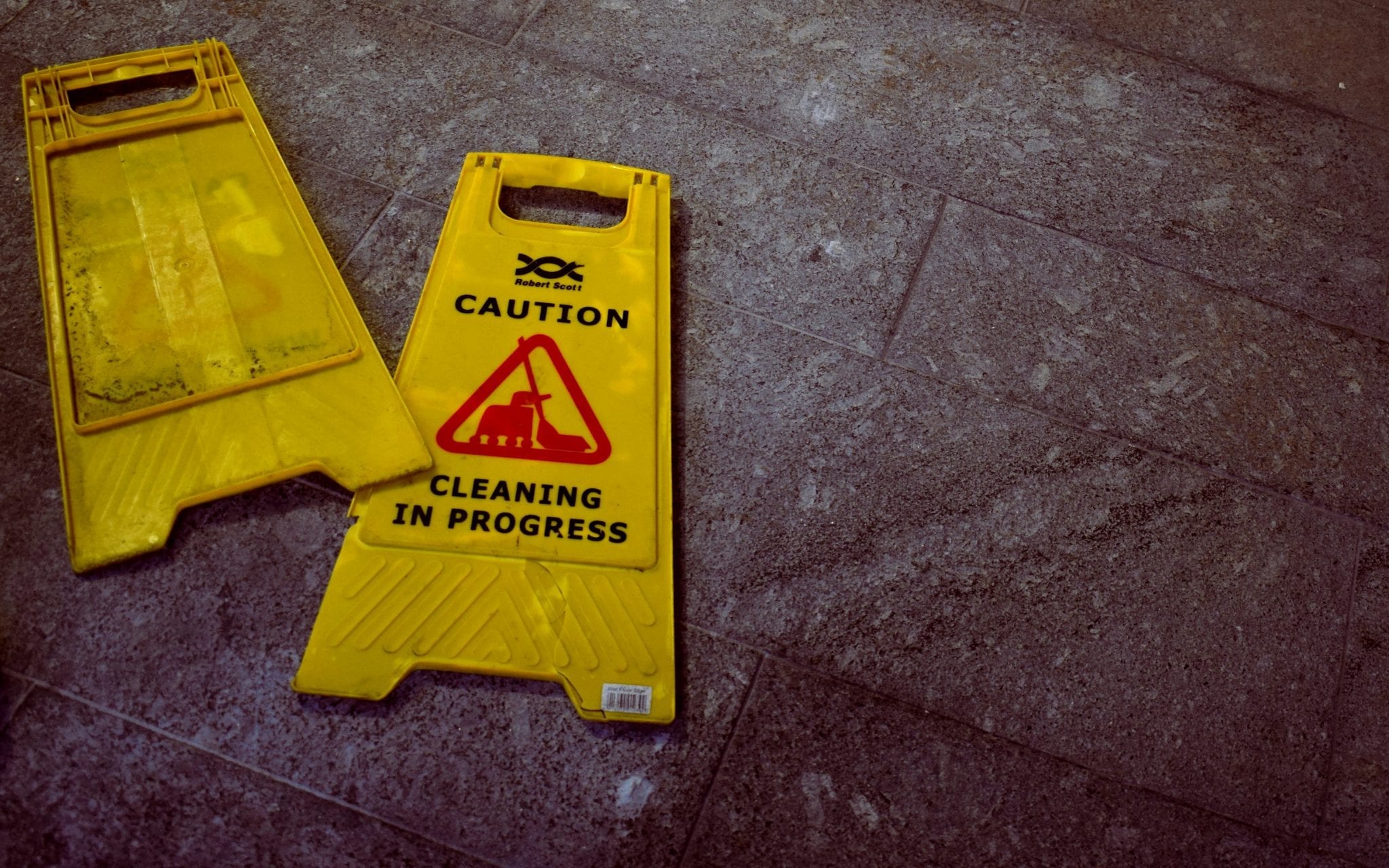
Oversplash risks include:
- Poor drainage
- High water pressure
- Improper sink height
- No floor mats
Addressing these issues improves safety. Fewer accidents mean lower liability.
7. Chemical Exposure from Improper Sink Use
Utility sinks are designed for handling cleaning chemicals safely. Using the wrong sink can create exposure risks and contamination.
Clear separation between cleaning and food areas is critical. Proper sink use protects employees and customers.
Chemical-related mistakes include:
- Dumping chemicals in prep sinks
- Mixing tools with food equipment
- No labeled utility sinks
- Improper storage nearby
Following proper procedures reduces risk. Safe handling is essential for compliance.
8. Lack of Backflow Prevention and Maintenance
Backflow issues can contaminate water supplies and create serious hazards. Proper equipment and regular maintenance are necessary to prevent these problems.
Corroded or damaged sinks can also lead to violations. Regular inspections help identify issues early.
Maintenance concerns include:
- Missing backflow preventers
- Corroded surfaces
- Leaking pipes
- Worn fixtures
Routine maintenance keeps systems functioning properly. Preventive care reduces costly repairs.
Protecting Your Restaurant from Risk Starts with the Right Systems
Avoiding sink-related lawsuits requires more than meeting minimum standards. Strong systems, clear workflows, and proper equipment all play a role in maintaining compliance.
Consistency is key to reducing risk. Teams that follow structured processes are less likely to overlook critical details.
Long-term success depends on proactive planning and regular oversight. Businesses that recognize that compliance starts at the sink can build stronger foundations and reduce legal exposure over time.
Join the conversation!