
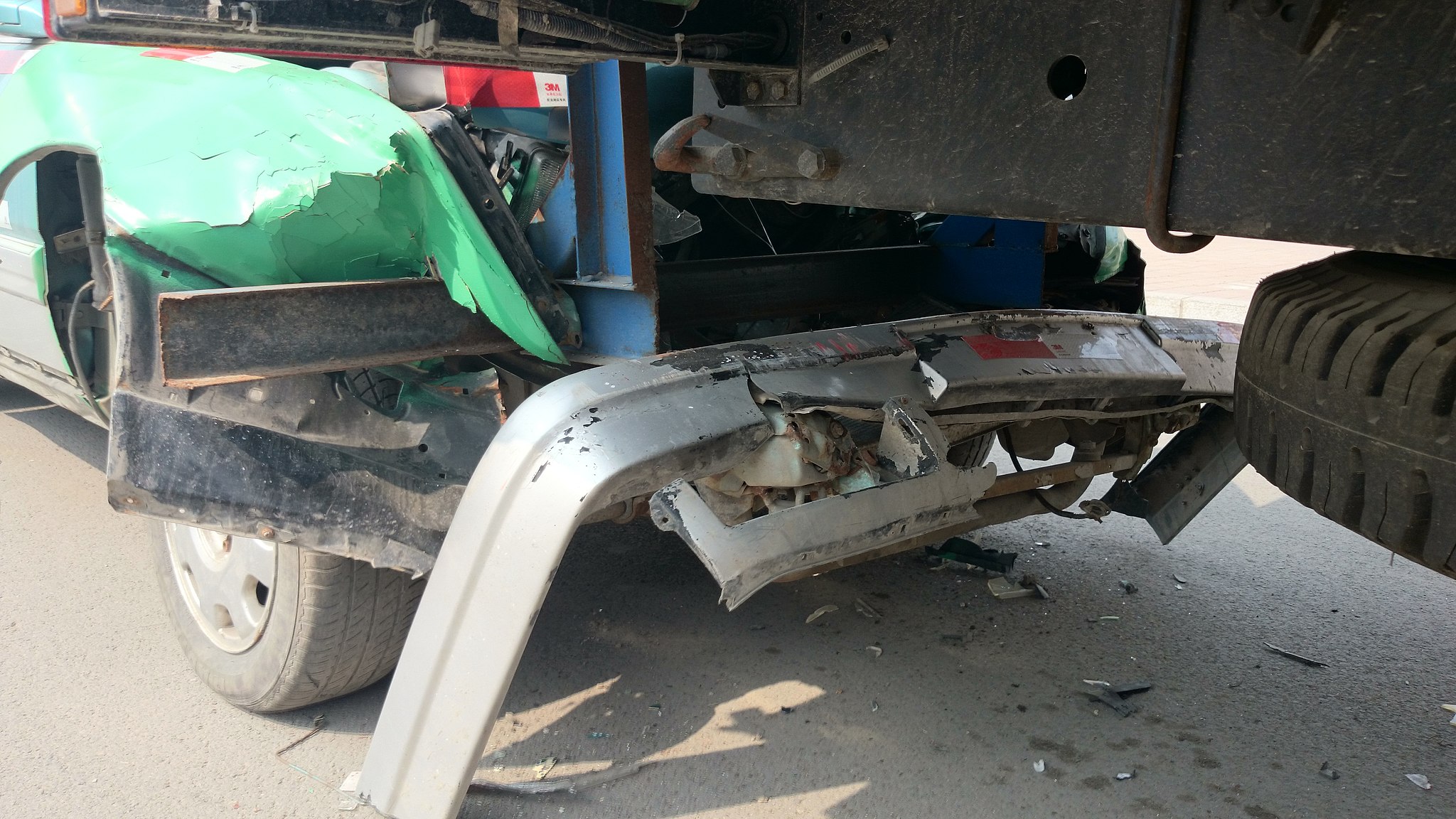
A truck crash is not a fair fight in its opening hours. One side has a trained team, control of the evidence, and a financial reason to move quickly, while the other is often still in a hospital bed.
For the person lying in an ambulance after a collision with an 18-wheeler, the case has not started yet. For the trucking company, it already has. Large carriers and their insurers treat a serious crash as a financial event, and they move on it fast. Understanding what happens on the other side during those first hours explains why truck claims feel so lopsided and why early decisions carry so much weight.
The response team is already rolling
According to Texas Truck Accident Lawyer, a Houston firm that handles commercial truck claims, the carrier’s response often begins within hours of a serious wreck, sometimes before the road is cleared. Many trucking companies keep a rapid response team on call: investigators, accident reconstructionists, and defense counsel who head to the scene while the injured party is still in treatment. Their job is not to find the truth for its own sake. It is to document the scene in the light most favorable to the carrier, photograph conditions before they change, and lock down witness accounts early. Skid marks, road conditions, and vehicle positions can disappear within a day, so the side that records the scene first often controls the story that follows.
They control the evidence that matters
Most of the useful proof in a truck case lives on the carrier’s side of the table. The electronic logging device, the engine control module, the driver’s logs, the maintenance records, and the dispatch history all sit in the company’s hands. None of it has to stay there forever, and routine retention policies can overwrite parts of it within weeks. A carrier that senses a claim coming has little reason to keep data that hurts its position unless someone forces the issue. For example, a driver’s logs might show a violation of the hours-of-service limit, or maintenance files might reveal a brake repair that never happened. Those are the records that decide cases, and they are exactly the records a company has the least reason to volunteer.
The first phone call is a tactic
Within days, an adjuster usually reaches out, often sounding helpful and sympathetic. That call has a purpose. A recorded statement taken while the victim is medicated, shaken, or unsure of the facts can produce small inconsistencies that resurface later as fault arguments. A quick settlement offer, floated before the full extent of the injuries is known, can close the claim for a fraction of its value. Adjusters work to protect the company’s money, and the early window is when injured people are most likely to say or sign something they later regret.
Leveling the field
This is where the imbalance starts to close. Attorneys who concentrate on truck cases work the same clock the carrier does, only from the victim’s side. They send a formal preservation letter that legally orders the company to keep the logs, the device data, and the maintenance files. They open an independent investigation rather than trusting the carrier’s version. They secure the truck itself for inspection, interview witnesses while memories are fresh, and pull the police report and any traffic-camera footage before it cycles out. And they step between the client and the adjuster so that no recorded statement or rushed offer can quietly undercut the claim. The team at Texas Truck Accident Lawyer frames the goal in plain terms: match the other side’s speed before the evidence and the advantage slip away.

Why the timing decides so much
Higher stakes make all of this sharper. Interstate trucks carry insurance minimums starting at $750,000 and reaching $5 million for hazardous loads, far above a typical car policy. With that much money exposed, carriers invest heavily in early defense, and every day that passes without the victim’s side acting widens the gap. The crash itself may last seconds, but the contest over what it means plays out in the days that follow.
The takeaway
A truck crash is not a fair fight in its opening hours. One side has a trained team, control of the evidence, and a financial reason to move quickly, while the other is often still in a hospital bed. Knowing that imbalance exists is the first step toward closing it. The sooner an injured person understands how the other side operates, the better the odds of an outcome that reflects what actually happened on the road.
Join the conversation!