
Black Caregivers of ASD Children Fearful of Police Encounters
Many caregivers expressed that Black children are often perceived as older or more threatening than their peers.


Sara is a credited writer, editor, contributor, and essayist, as well as a novelist and poet with nearly twenty years of experience. A seasoned publishing professional, she's worked for newspapers, magazines and book publishers in content digitization, editorial, acquisitions and intellectual property. Sara has been an invited speaker at a Careers in Publishing & Authorship event at Michigan State University and a Reading and Writing Instructor at Sylvan Learning Center. She has an MBA degree with a concentration in Marketing and an MA in Clinical Mental Health Counseling, graduating with a 4.2/4.0 GPA. She is also a member of Chi Sigma Iota and a 2020 recipient of the Donald D. Davis scholarship recognizing social responsibility. Sara is certified in children's book writing, HTML coding and social media marketing. Her fifth book, PTSD: Healing from the Inside Out, was released in September 2019 and is available on Amazon. You can find her others books there, too, including Narcissistic Abuse: A Survival Guide, released in December 2017.
Many caregivers expressed that Black children are often perceived as older or more threatening than their peers.
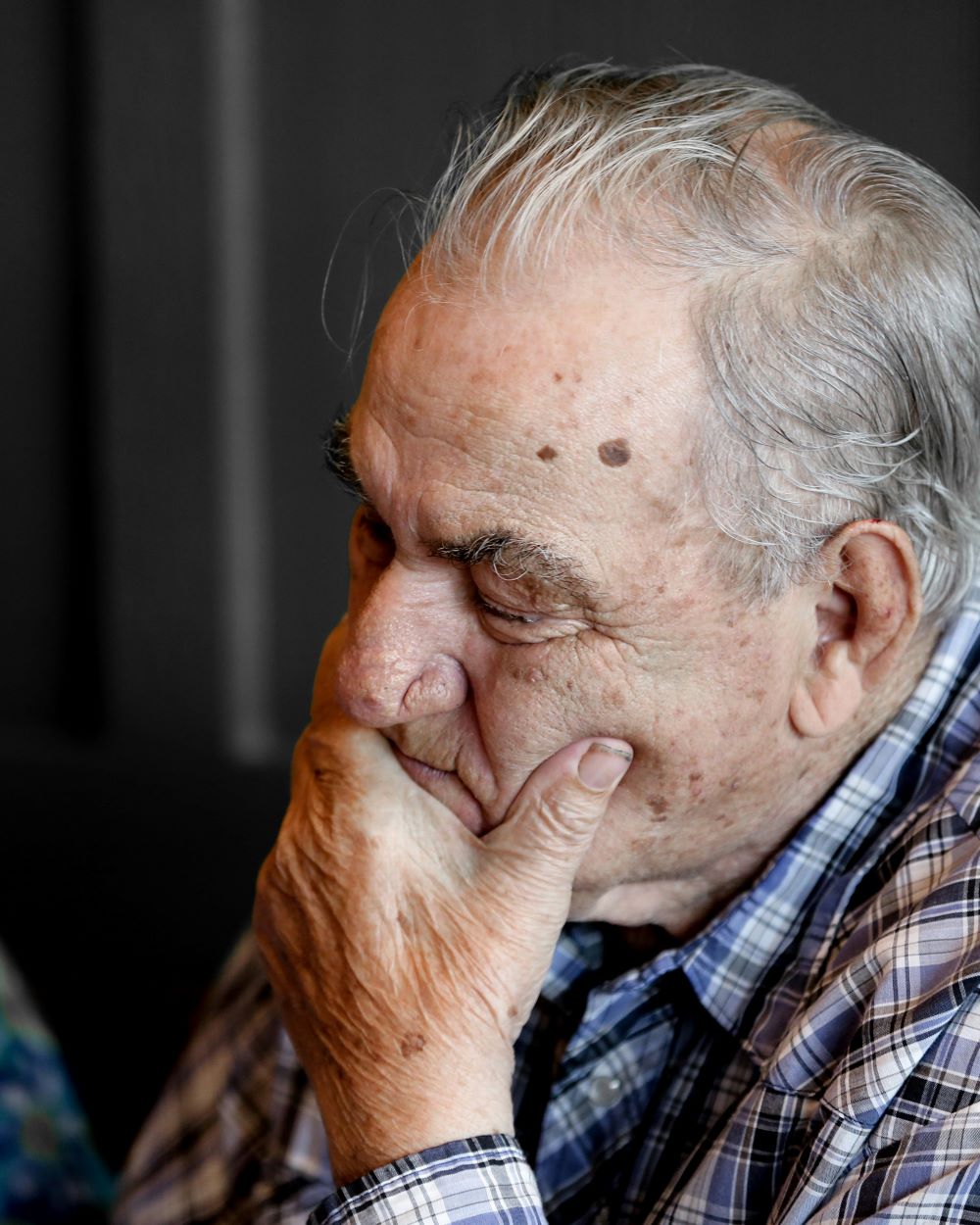
Androgen receptor rewiring accelerates prostate cancer growth.
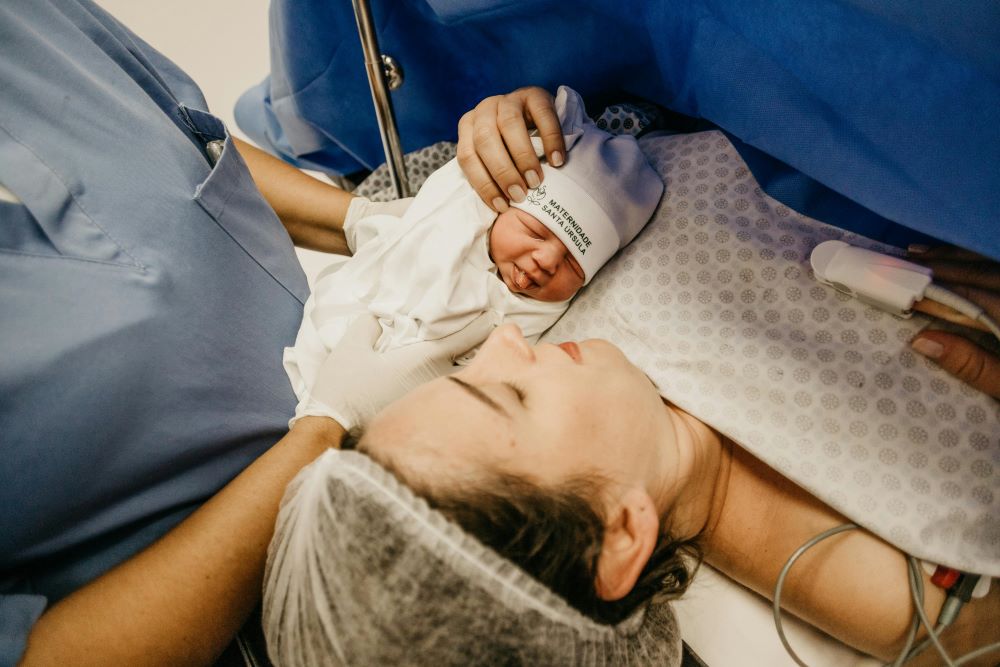
C-sections during labor increase risks of complications for subsequent pregnancies.
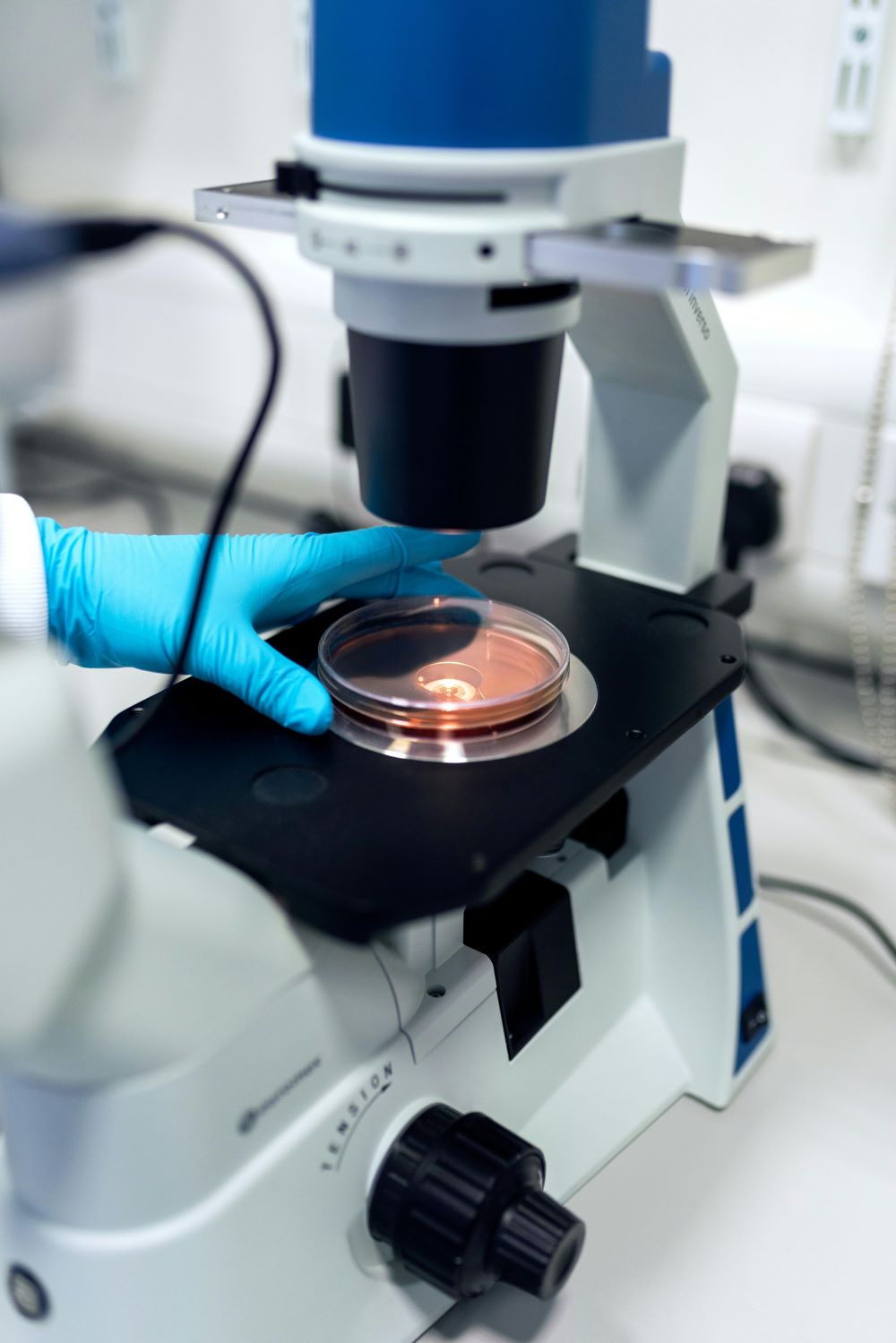
By targeting the energy source of malignant cells while sparing healthy tissues, this therapy offers a new approach to treatment.

Handwriting enhances brain activity, memory, and learning, surpassing typing in cognitive benefits.

Reiki therapy reduces cancer treatment symptoms, improving pain, fatigue, anxiety, and well-being.
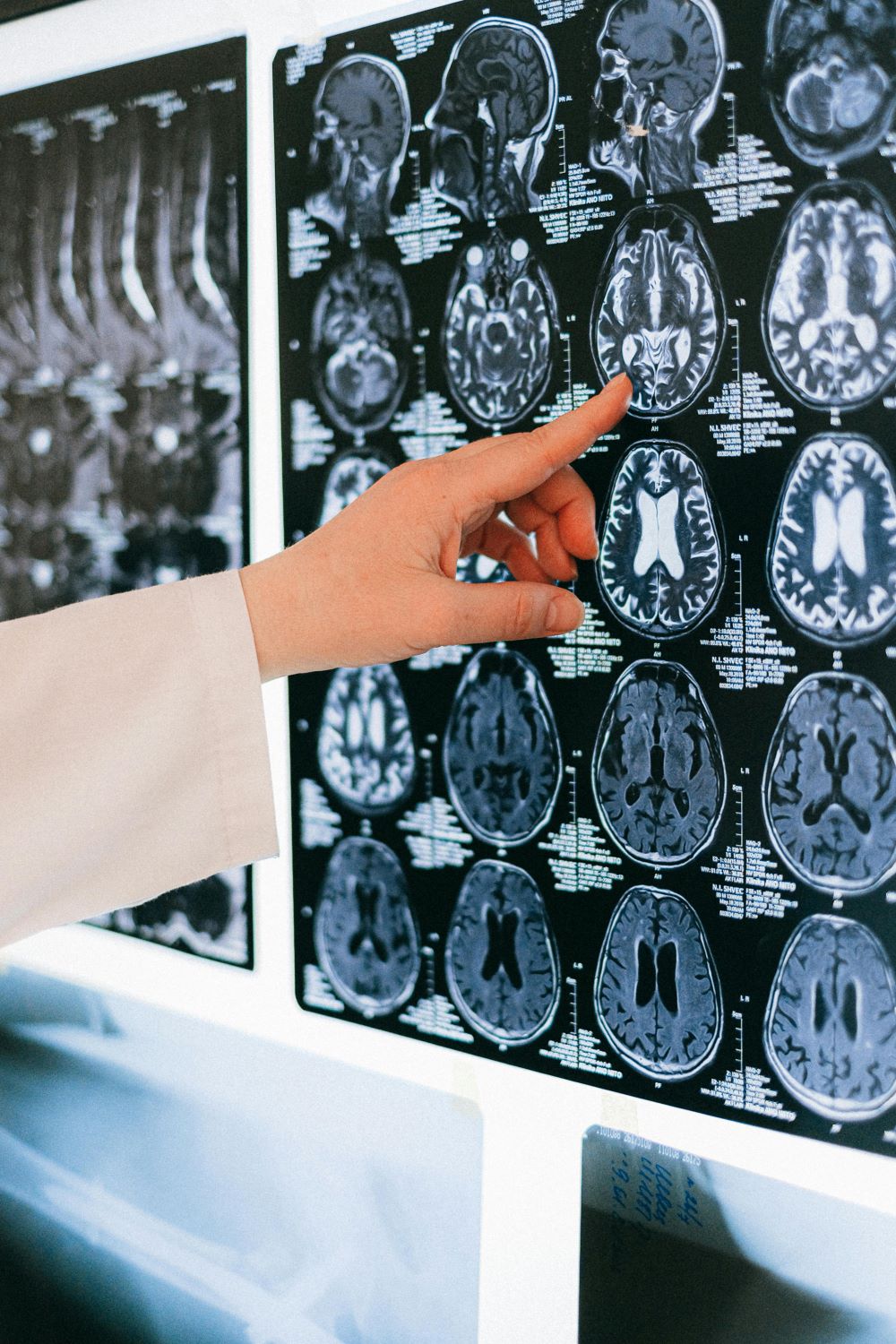
Opioids reshape brain structure, connectivity, affecting emotions, decision-making, and impulse control.

Lipid metabolism disruptions drive chronic inflammation, causing colorectal cancer progression.

Mediterranean plants contain bioactive compounds that may improve heart health significantly.
Engineered T cells offer a targeted approach to calm overactive immune responses, promising safer and more effective treatments.