

With around 16,817 car accidents every day in the U.S, the police don’t always arrive on the scene. Knowing what steps to take after an accident offers valuable protection.
In almost every U.S. state, it’s illegal to leave the scene of a car accident before law enforcement arrives if someone’s injured or property is damaged, but what happens if you’re left to handle it yourself?
While you could take the risk and leave without doing anything, this course of action will make it difficult for you to protect yourself, especially if you intend to file an insurance claim. Instead, use the following tips to ensure you have all your bases covered.
When You Should Call the Police After an Accident
In the vast majority of states, there’s no need to call the police after minor accidents. While the laws governing the reporting of accidents vary from state to state, in most states, calling law enforcement is only required if there are injuries or property damages. However, reporting your accident to the police can count in your favor if vehicles were damaged or if it’s unclear whose fault the collision was.
Why the Police Don’t Show Up Sometimes
There’s a good chance the police will attend the scene of your accident if it’s serious. If no one’s injured, there’s little to no damage to property or vehicles, and traffic isn’t disrupted, there’s a distinct possibility that they will make a note of the accident but won’t travel to the scene.
One of the principal reasons for this is that the police are kept busy. According to the National Emergency Number Association (NENA), there are an estimated 240 million 911 calls annually. This requires the police to prioritize incidents. Your accident ranking low on law enforcement’s list of priorities does not mean you won’t be able to protect yourself or successfully file an insurance or personal injury claim. Instead, it means you’ll need to take care of a few things yourself.
What to Do If the Police Don’t Arrive
Follow these steps if the police do not attend the scene of your car accident:
1. Contact Emergency Services
The first thing you should do after a car accident is to check on the safety of everyone involved and to call emergency services. Even if no one has visible injuries, it’s important that they’re examined by medics, as they may have internal injuries that aren’t immediately obvious but can cause serious complications if not treated.
If the medics fill in a form or make medical notes about your injuries at the scene, ask them for a copy, as this can come in helpful if you decide to file a claim. You should also document any hospital or doctor visits, tests, or treatments following the accident.
2. Document the Accident Scene Thoroughly
The police not showing up at the scene of your accident means there won’t be a police report, which can hinder legal discussions and insurance claims. This means you need to document the scene of the accident as thoroughly as possible.
Start by using your phone to take photos and videos of the scene. Ensure you capture the vehicle license plates, all damage to the vehicles from different angles, any debris or skid marks, the condition of the road, the weather conditions, injuries to yourself (and others, if you have their permission), and the wider scene, including intersections, lights, and street signs.
When you’ve finished taking photos and recording video, make written notes about the accident. These should include the date, time, and location, what the weather conditions were, which traffic signals were active, how traffic was moving, a step-by-step account of the accident, anything that seemed unusual (such as visible distractions or strong aromas), and anything the other driver said to you (such as, “I was on my phone”).
3. Gather Driver and Vehicle Details
In addition to documenting the scene following an accident, you should gather important details about all drivers and vehicles involved. Politely ask the other drivers for their full names and addresses, phone numbers, driver’s license numbers and states, license plate numbers and states, car details (make, model, color, year), and insurance company names and drivers’ policy numbers. If possible, take photos of their insurance cards.
Be prepared to give the other drivers the same information about yourself and your insurance company and policy. Limit your conversation to the details described here, and at no point admit fault.
4. Speak to Witnesses
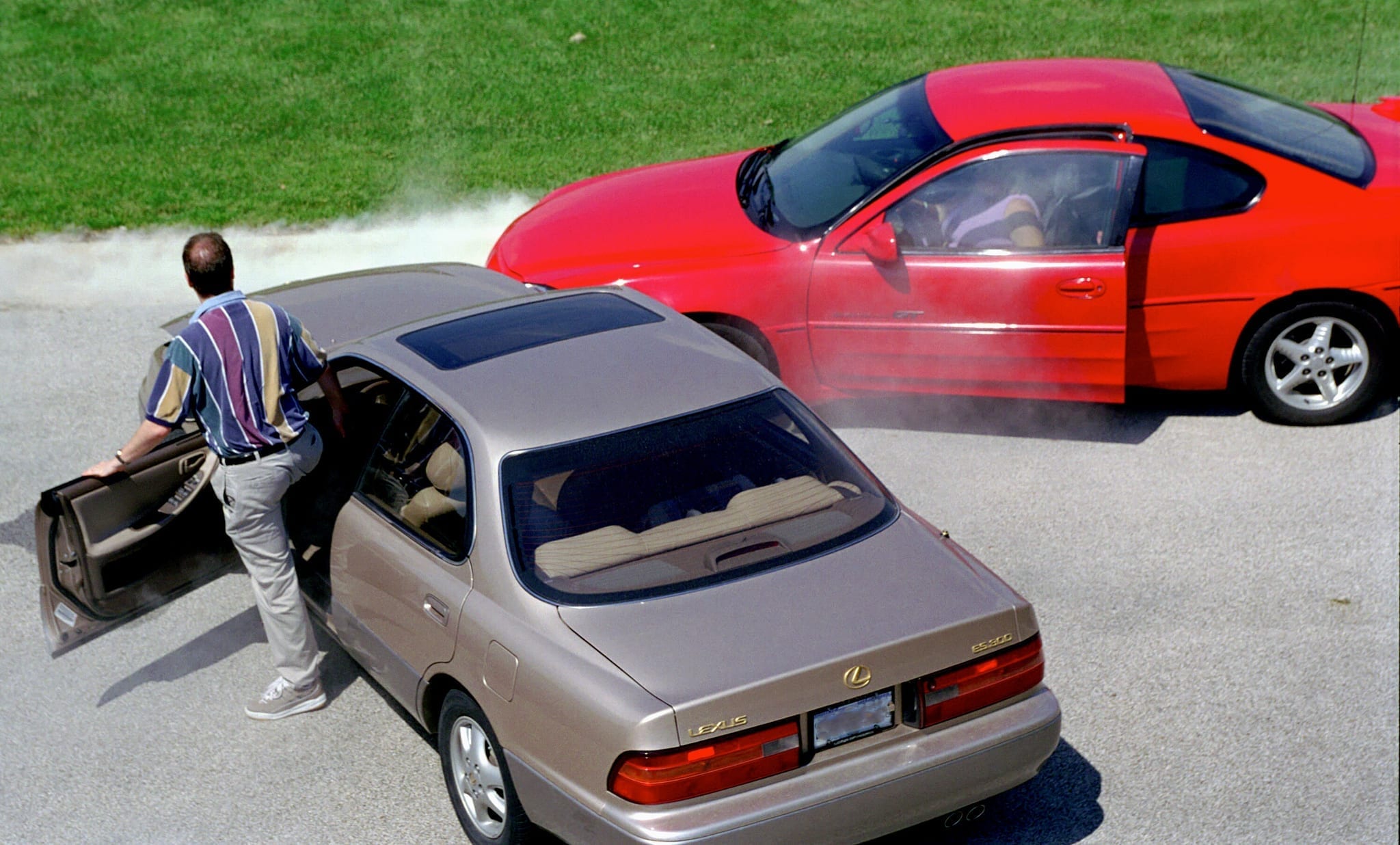
If other road users or bystanders witnessed the accident, some may approach you and let you know they saw it. If this happens, or if you’re able to identify witnesses at the scene, ask them for their names, contact details, and a brief description of what they saw. Additionally, ask them if they would be prepared to provide a more detailed account at a later date. As when speaking to the other drivers involved in the accident, do not admit fault when speaking to witnesses.
5. File an Accident Report at the Local Police Station
Contact or travel to the local police station and file an accident report using the information you gathered at the scene. If possible, provide the police with copies of the photos and videos you took at the scene. While your report isn’t likely to carry as much weight as an official police report, it may be helpful if you file a lawsuit or an insurance claim. If you’re able to do so, speak to a car accident lawyer before filing your report.
6. Contact Your Insurance Provider
If possible, you should also consult with a lawyer before contacting your insurance company. However, you must notify your insurance provider about the accident soon after it has occurred. When you do, you must provide the basic facts about the accident without explaining your answers, providing additional information, or admitting fault. The details, photos, and videos you gathered at the scene should be sufficient.
Protect Yourself Following an Accident
The steps you take in the aftermath of a car accident when the police don’t show up can either protect you and your rights or put you at risk of serious health problems and liability. Make sure you are protected in more ways than one.
Join the conversation!