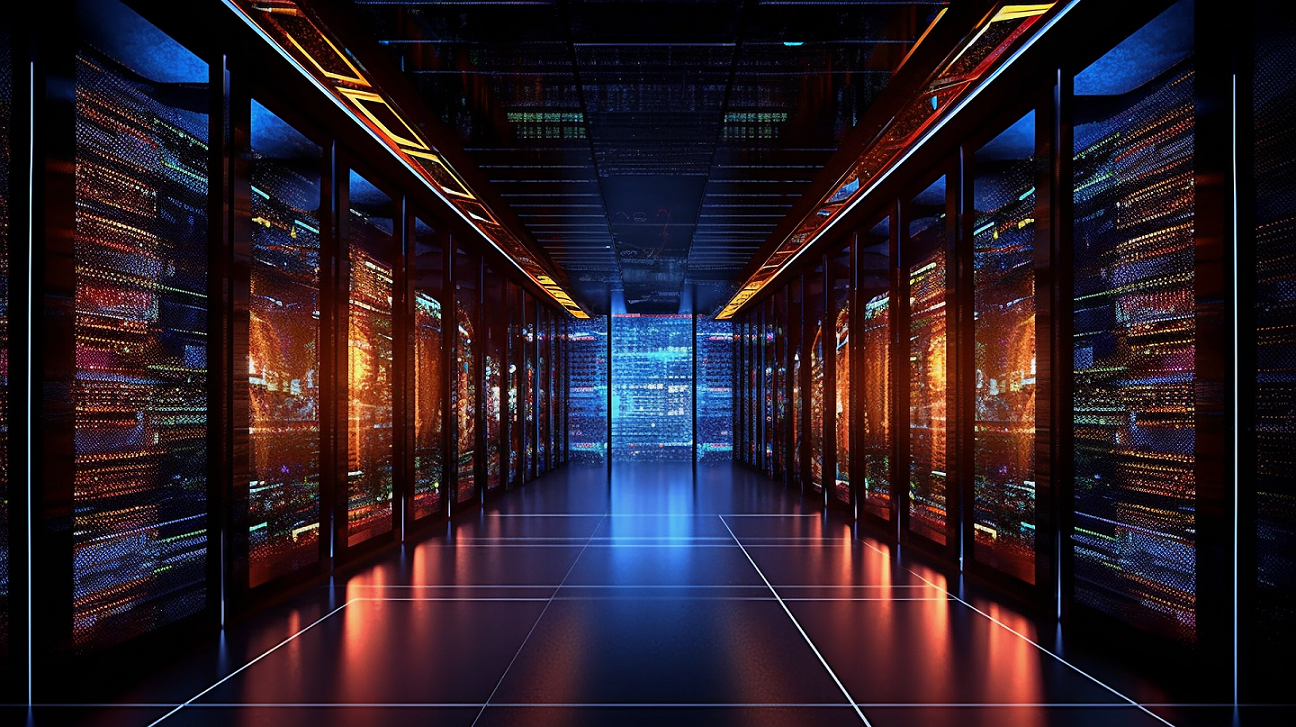
Imagining the Death of the Internet
Imagining the death of the internet isn’t hard in an era of rising resource costs and diminishing returns.

Imagining the death of the internet isn’t hard in an era of rising resource costs and diminishing returns.
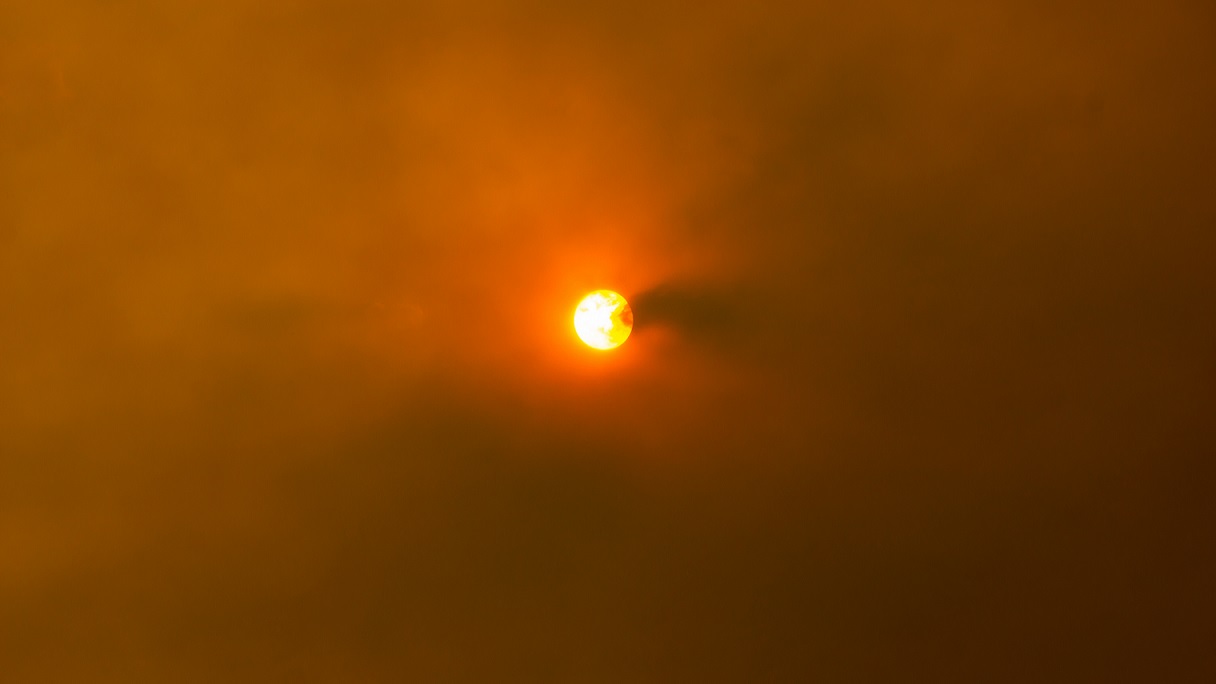
With apocalyptic orange skies come fresh thoughts of the climate crisis. Let’s take a moment to consider a climate-related food system collapse.

Minorities are more likely to be exposed to forever chemicals, studies show.
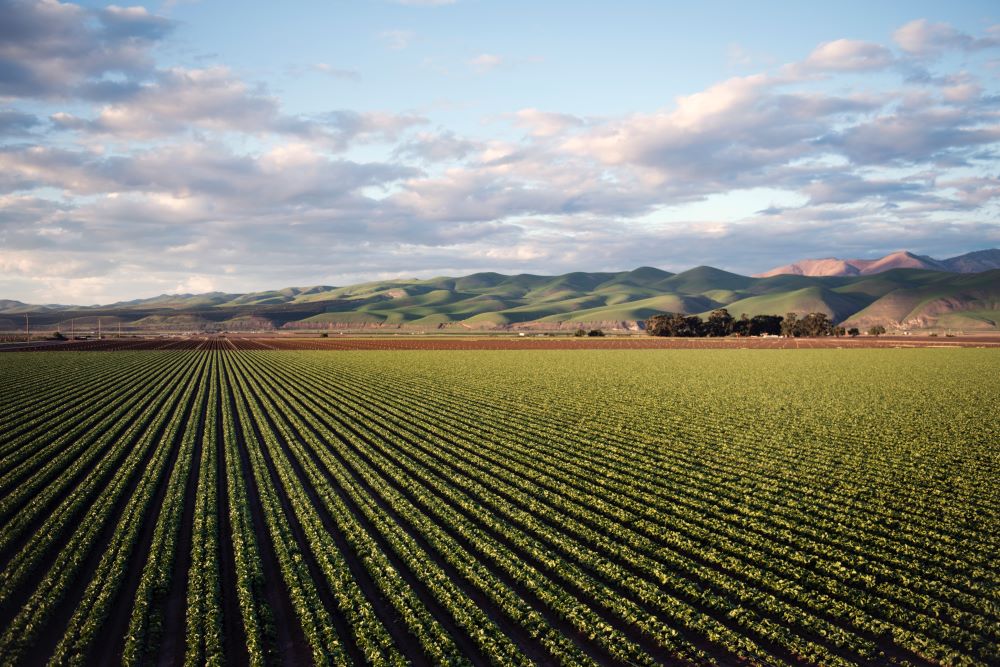
Farmers are being forced to deal with PFAS, which may be affecting their health.
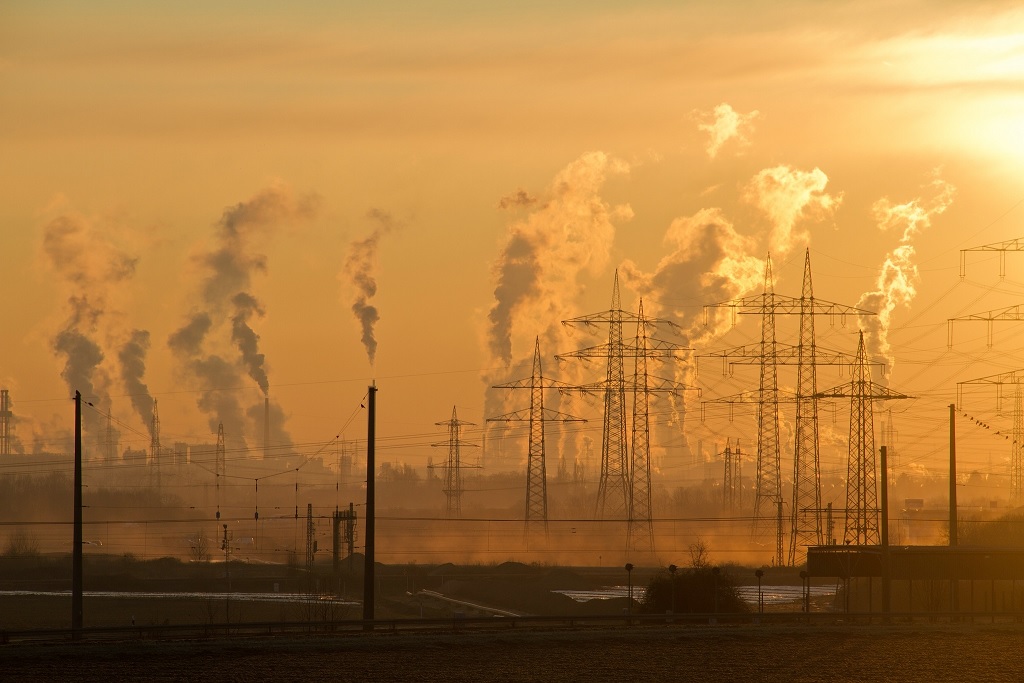
The mining, refining and manufacturing demanded by industrial civilization – even “green” renewables – means pollution, cancer alleys, and sacrifice zones.
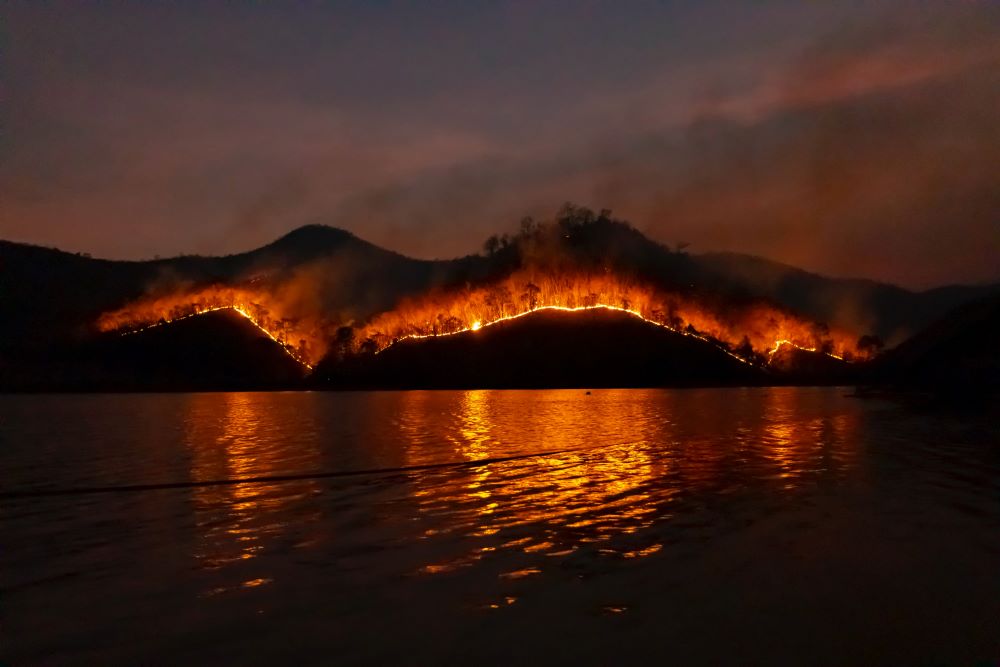
Wildfires are impacting the state’s inpatient facilities.

Adsorbent powders may be able to collect a large amount of toxins from the water supply.
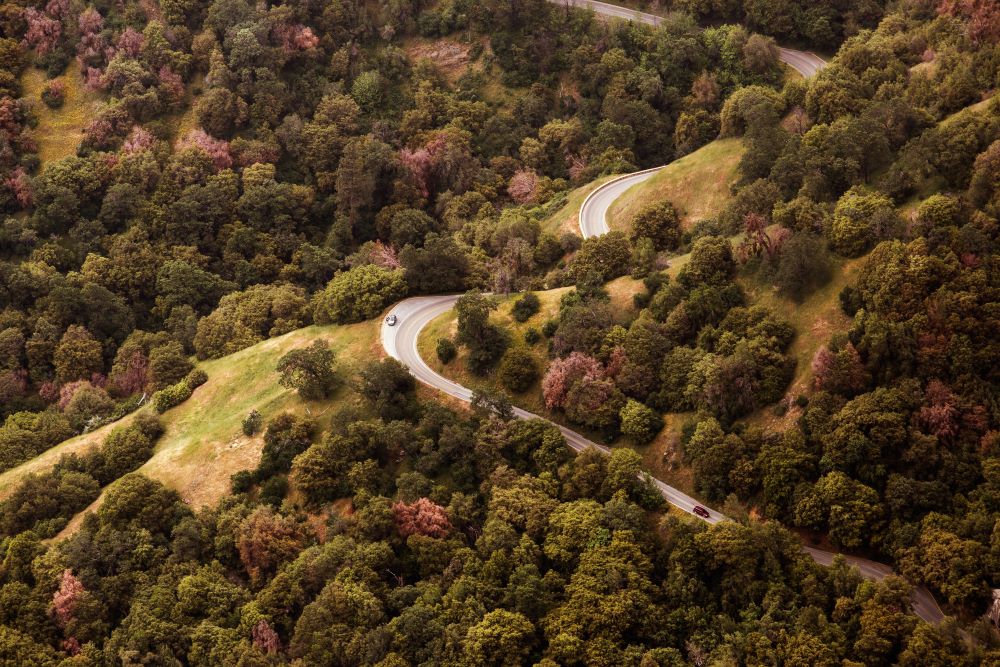
Gomez warns that CO2 emissions will have to decrease sharply to have a positive effect on future air quality.
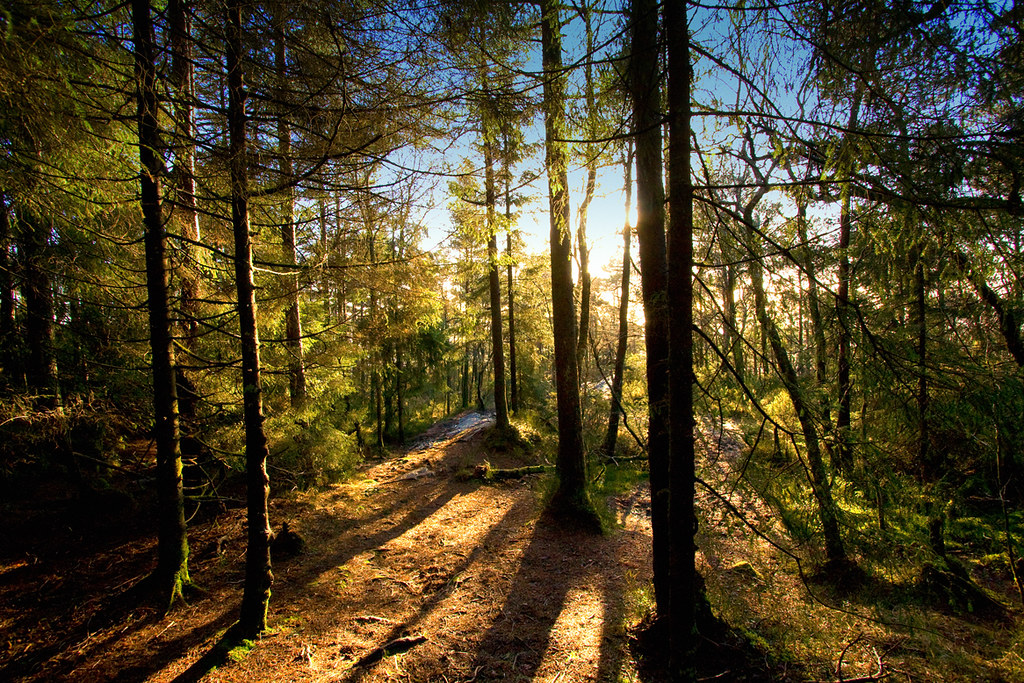
When are “green fuels” not really green? When they have hidden – or not so hidden – environmental costs that aren’t counted in the sustainability equation.
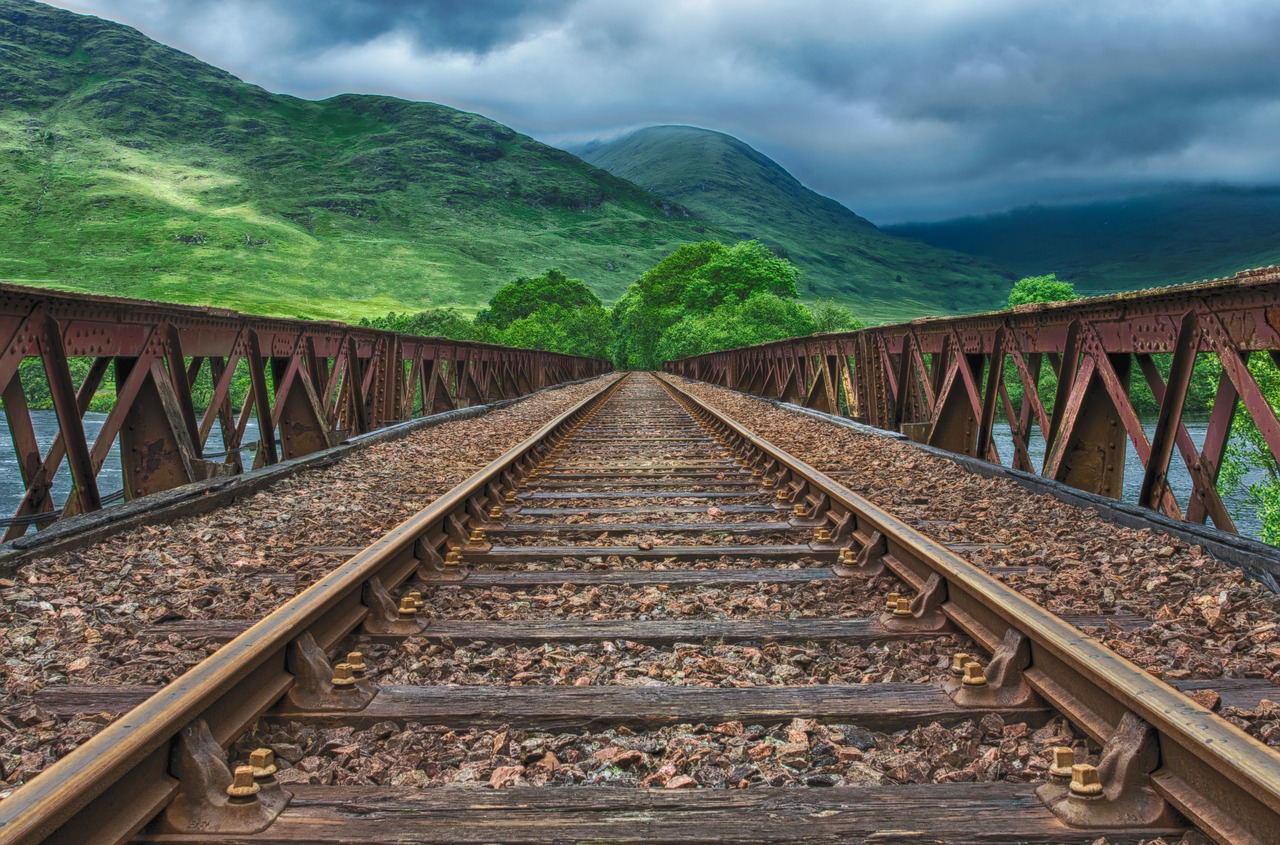
According to the US Department of Transportation, the national railway system transports around 4.5m tons of toxic chemicals each year.